Uchumi360 Author Archive

Author: Kennedy Mmari

Kennedy Mmari is the Founder and Group CEO of Serengeti Bytes, a strategic communications, public influence, and technology company headquartered in Dar es Salaam, Tanzania, with offices in Kigali, Rwanda and Kampala, Uganda. Over more than a decade, he has built Serengeti Bytes into one of East Africa's most distinctive strategic communications agencies, serving governments, international development institutions, NGOs, pharmaceutical regulatory bodies, academic institutions, and private sector organisations across the region.

His work sits at the intersection of strategy, narrative, and execution. At Serengeti Bytes, Kennedy has led over 250 campaigns spanning digital transformation, public health communications, institutional positioning, crisis communications, and strategic media engagement. He advises clients not as a vendor of services but as a strategic partner, bringing the same analytical rigour to a government communications framework as he does to a private sector positioning brief. The agency's reach spans East and Central Africa, with a multilingual digital presence in English, Kiswahili, Chinese, Russian, French, Spanish, and Arabic.

Beyond Serengeti Bytes, Kennedy is the co-founder of Daladala Smart, a technology-driven urban transport platform designed to modernise public transit in Tanzania and across East Africa, Tanzania Digital Awards and Changemakers Magazine.

10 articles Latest: July 19, 2026
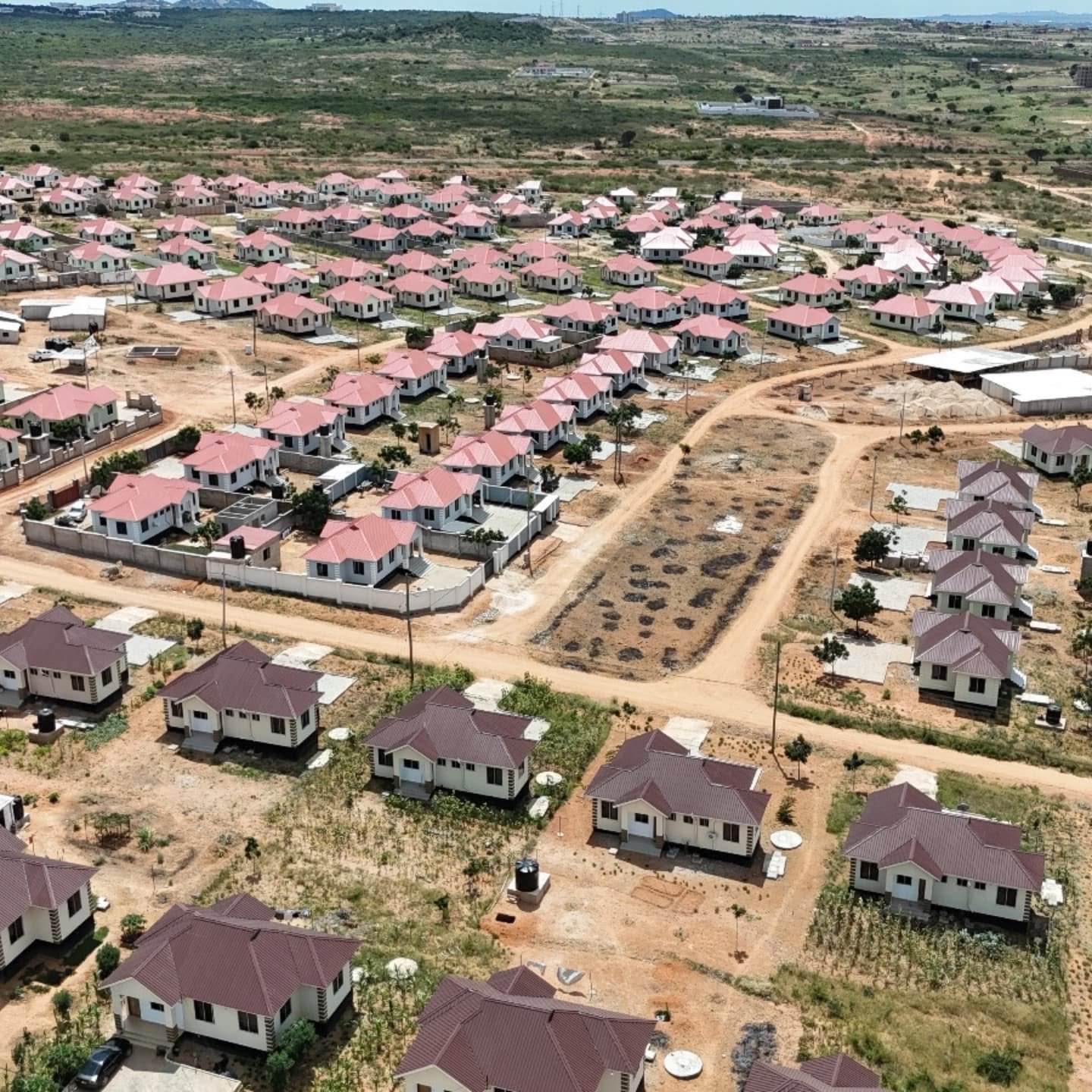
Opinion: Africa Is Taxing Its Own Housing Crisis at 30%. Steel, Tiles, Windows, and Electrical Fittings Are Predominantly Imported. Two Things Would Fix It.
Infrastructure 19 July 2026

Opinion: Africa Is Taxing Its Own Housing Crisis at 30%. Steel, Tiles, Windows, and Electrical Fittings Are Predominantly Imported. Two Things Would Fix It.

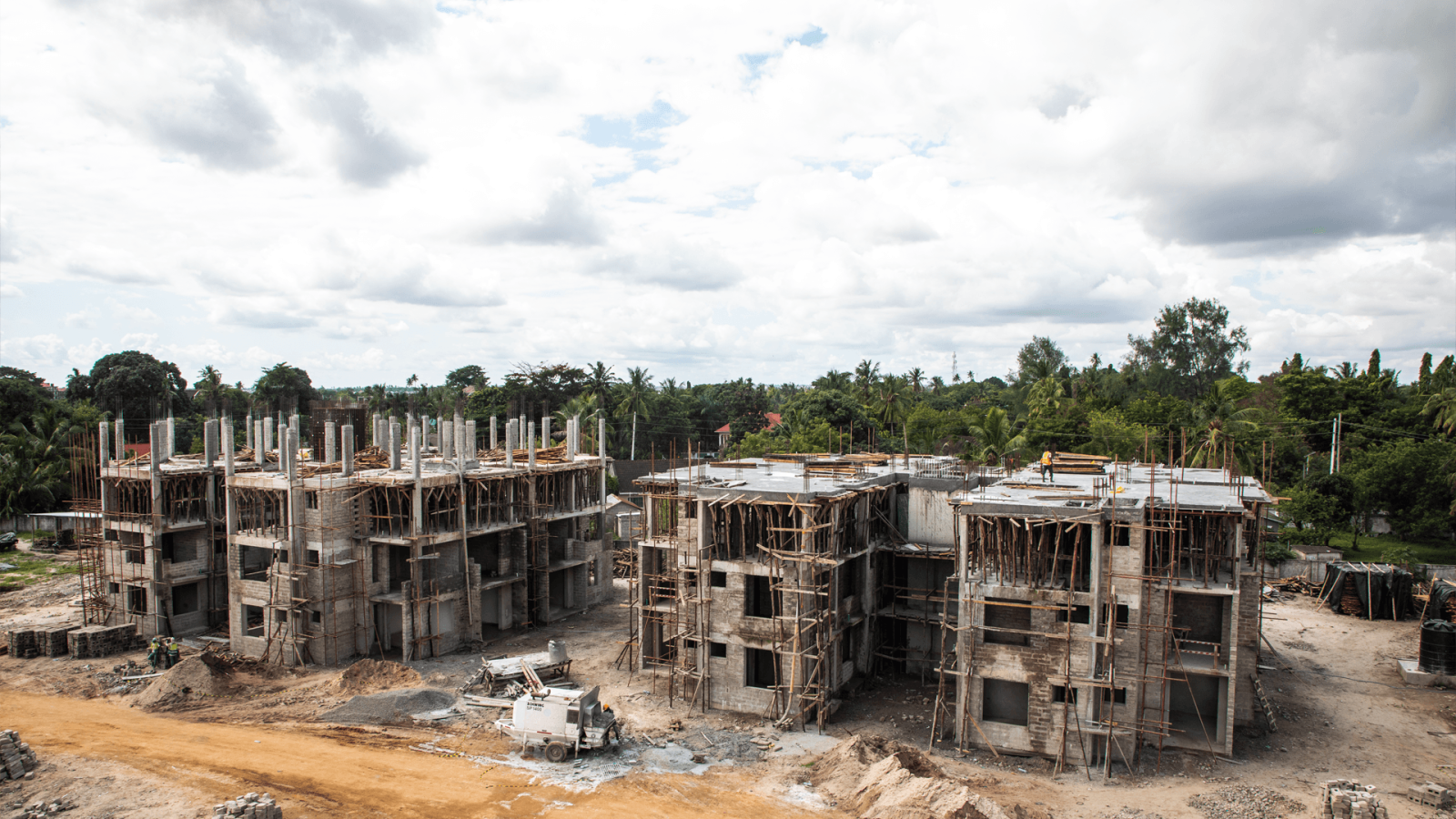
When you build in Africa, you pay a premium that has nothing to do with the quality of what you are building. The finishing and specialist materials that determine whether a structure looks and functions well, steel reinforcement, roofing sheets, tiles, aluminium window profiles, ceramics, electrical fittings, and plumbing, are predominantly imported across most of sub-Saharan Africa. China alone supplied over 60 percent of Africa's total steel imports in 2023, with Chinese construction material exports to Africa growing 25 percent that year. Kenya imported KSh 97 billion worth of iron and non-alloy steel in 2023, with China accounting for KSh 42 billion of that trade. Tiles, ceramics, and sanitary ware imports remain high across East and West Africa due to limited local production capacity. Every one of these materials enters most African countries through a customs gate charging 30 percent import duty before logistics costs, port handling, inland freight, and the contingency buffer that experienced contractors build into every African project are added. The result is a continent where housing costs more to build than the income of the people who need it can support. That is not a market outcome. It is a policy outcome. And policy outcomes can be changed.

Opinion: Five Investments That Could End Generational Poverty in Tanzania Within One Generation.
Policy & Governance 16 July 2026

Opinion: Five Investments That Could End Generational Poverty in Tanzania Within One Generation.

Norway in 1950 was not a wealthy country. Its GDP per capita was comparable to several African economies today. What it became over the following fifty years was not the product of oil alone, though oil helped. It was the product of a series of deliberate decisions about which systems would be universal and which would not be allowed to vary by postcode, income, or family background. Education. Healthcare. Early childhood development. Infrastructure. Labour market protection. When those five systems are genuinely equal in quality across the income distribution, the family you are born into stops being the primary determinant of the life you are able to build. Tanzania is growing at 5.9 percent annually. It has a population of 70 million people growing toward 118 million by 2050. The window for making the decisions that would give the next generation equal starting points is open now. It will not stay open indefinitely. This is an argument for using it.

In Tanzania, a Paved Road Is Still a Luxury. That Is the Most Expensive Planning Failure Nobody Talks About.
Infrastructure 16 July 2026

In Tanzania, a Paved Road Is Still a Luxury. That Is the Most Expensive Planning Failure Nobody Talks About.

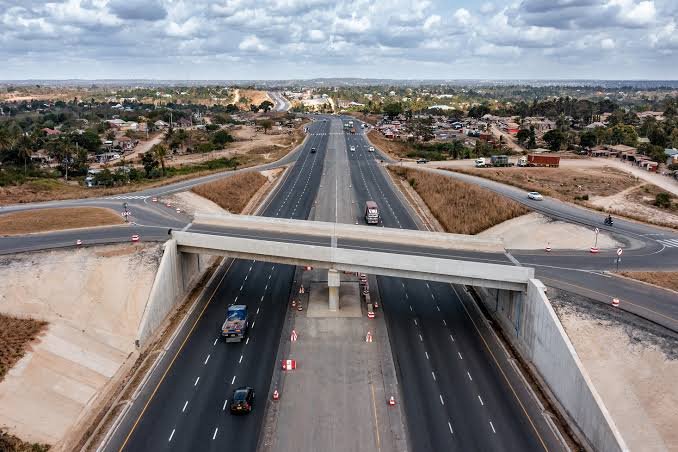
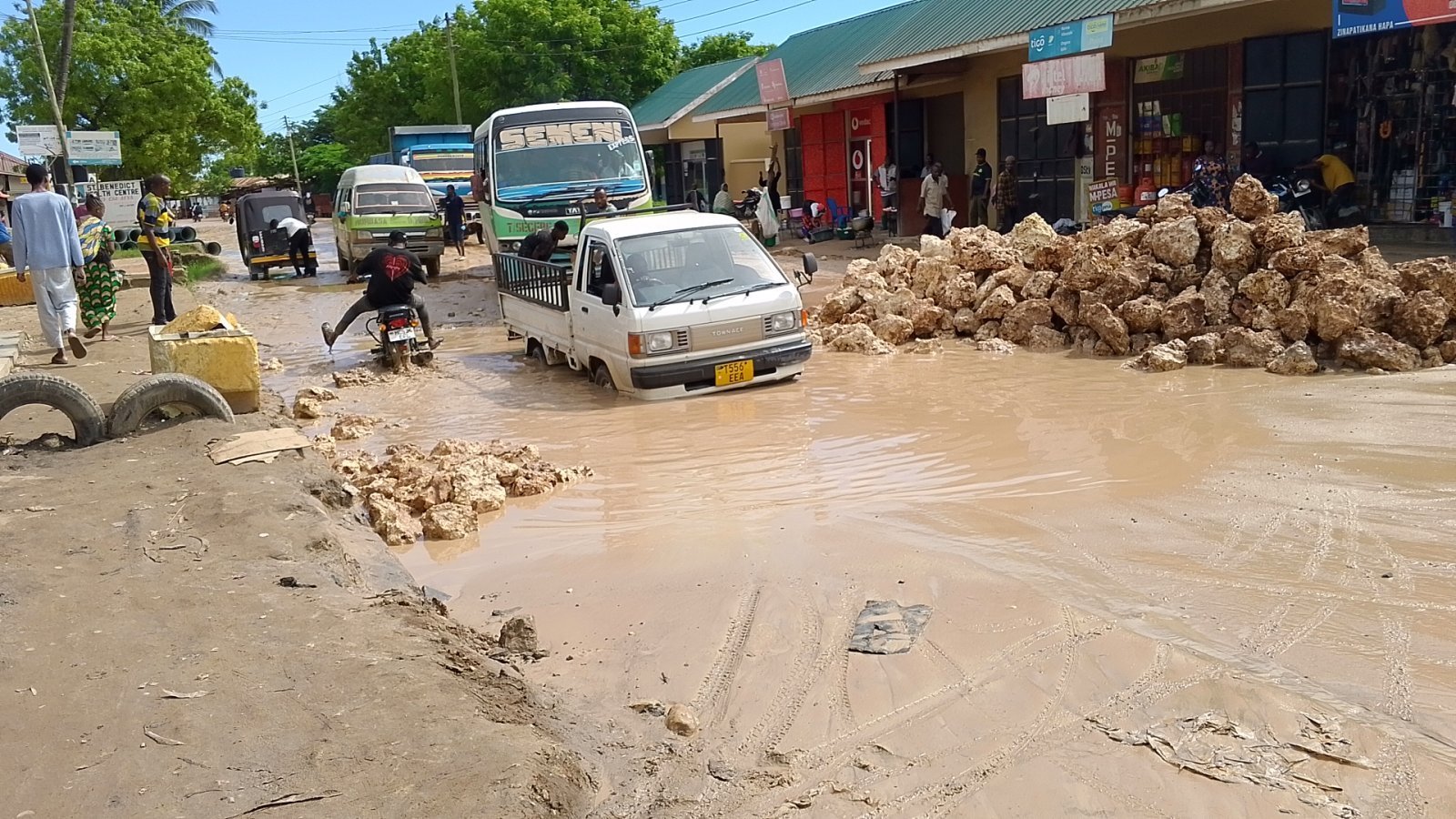
Ask anyone searching for a house in Dar es Salaam what the first question is. It is not how many bedrooms. It is not the rent. It is "barabara imefika?" Has the road arrived? Lami imefika? Has the tarmac arrived? In a city of six million people, in the second-largest economy in East Africa, in a country that has spent billions on a standard gauge railway and a 2,115 megawatt hydropower dam, whether a neighbourhood has a paved road remains a meaningful question. That is not a failure of ambition. It is a failure of priority. Tanzania has treated tarmac as a reward for development rather than a condition of it, and the cost of that inversion is paid every day by every person whose school, clinic, business, and home sits on a dirt road that turns to mud in March and dust in August.

Tanzania Has a Housing Deficit of 3.8 Million Units, 51 Percent of Dar es Salaam Households Rent, and Almost Nobody Is Building Formal Rental Housing for the People Who Actually Live Here. That Is the Market Failure Worth Talking About.
Infrastructure 16 July 2026

Tanzania Has a Housing Deficit of 3.8 Million Units, 51 Percent of Dar es Salaam Households Rent, and Almost Nobody Is Building Formal Rental Housing for the People Who Actually Live Here. That Is the Market Failure Worth Talking About.

Fifty-one percent of Dar es Salaam households rent, according to Tanzania's own urban housing data. The city has a housing deficit estimated at 3.8 million units, with annual demand for 200,000 new homes against approximately 200,000 units completed nationally each year, a supply-demand balance that appears neutral on paper but masks a severe mismatch in what is being built and for whom. Private developers are building for the expatriate market and the upper-middle-income segment. The premium rental market in Masaki and Oyster Bay offers apartments at USD 1,500 to 3,000 per month. The government builds for civil servants. What nobody is building at scale is formal rental housing for the teacher, the nurse, the junior bank officer, the market trader generating TZS 1.5 million monthly who constitutes the majority of Dar es Salaam's working population and who currently rents informally in conditions whose quality, security of tenure, and investment value are all inadequate. That is Tanzania's missing rental market. It is large, it is growing faster than the city, and it is the most consequential market failure in urban housing that nobody is talking about.

A Child Born in Masaki and a Child Born in Temeke Both Live in Dar es Salaam. Their Schools Are in Different Worlds. Tanzania's Education Geography Is the Country's Most Consequential Inequality.
Opinion 15 July 2026

A Child Born in Masaki and a Child Born in Temeke Both Live in Dar es Salaam. Their Schools Are in Different Worlds. Tanzania's Education Geography Is the Country's Most Consequential Inequality.

The International School of Tanganyika charges TZS 97,170,000 per year for a Grade 11 or 12 student, approximately USD 37,000 at current exchange rates. Its secondary campus sits on the Masaki and Msasani Peninsula. A child attending IST graduates with an International Baccalaureate diploma whose currency is accepted at universities in the United States, United Kingdom, Europe, and Australia. A child attending the average government secondary school in Temeke, twelve kilometres away, sits the NECTA Form Four examination in a system where the mathematics pass rate was 25.35 percent nationally in 2024, where an average primary school classroom holds 81 students against a standard of 40, and where the graduate's qualification is primarily recognised within Tanzania. These two children live in the same city, are governed by the same national education policy, and will enter the same labour market. What they will be able to contribute to it, what they will be paid for that contribution, and what economic decisions they will be capable of making throughout their lives diverge at the school gate in ways that no subsequent intervention reliably corrects.

Kenya Won Dangote. Tanzania Must Now Build Its Own Refinery.
Industry 7 July 2026

Kenya Won Dangote. Tanzania Must Now Build Its Own Refinery.

Tanzania lost the Dangote refinery bid to Kenya on logistics and market depth. That decision is final. The more important question is whether Tanzania, which hosts EACOP's export terminal and once operated its own refinery, will build domestic refining capacity or remain a transit corridor while neighbours capture downstream industrial value. The argument here is that Tanzania has the geographic position, the infrastructure precedent, and the Vision 2050 mandate to justify a serious refinery feasibility process, and that the moment to begin it is now.

Tanzania's Tax Gap Is Not a Technology Problem. It Is an Incentive Problem. Taiwan Solved It in 1951.
Policy & Governance 6 July 2026

Tanzania's Tax Gap Is Not a Technology Problem. It Is an Incentive Problem. Taiwan Solved It in 1951.

Tax evasion persists where both parties to a transaction benefit from keeping it undocumented. Taiwan broke that equilibrium in 1951 by converting official receipts into lottery tickets, giving customers a direct financial reason to demand them. Business tax revenue rose 75 percent in year one. Tanzania has EFD infrastructure, mobile money penetration, and the Universal Billing System already in place. A digital receipt lottery linked to existing fiscal receipts requires no new hardware, only a credible prize structure and a frictionless entry mechanism.

Opinion: Tanzania Has Spent Trillions Building Infrastructure. After Six Decades, Why Are Foreign Firms Still Doing the Engineering?
Infrastructure 6 July 2026

Opinion: Tanzania Has Spent Trillions Building Infrastructure. After Six Decades, Why Are Foreign Firms Still Doing the Engineering?

Tanzania's infrastructure boom is producing assets faster than it is producing the engineers capable of designing the next generation without external help. The root cause is procurement: contracts are evaluated on cost and delivery time, not on how much domestic engineering capability they leave behind. South Korea and China both used public infrastructure programmes as deliberate training mechanisms for domestic firms until those firms competed globally. Tanzania has the institutions and the graduates. Three procurement changes, mandatory joint ventures with technical role requirements, embedded graduate programmes as contract conditions, and measurable knowledge transfer metrics, would begin closing the gap without slowing delivery.

The Masaki Paradox: Why a Small Plot in Dar es Salaam Costs More Than an Acre in Texas
Infrastructure 3 July 2026

The Masaki Paradox: Why a Small Plot in Dar es Salaam Costs More Than an Acre in Texas

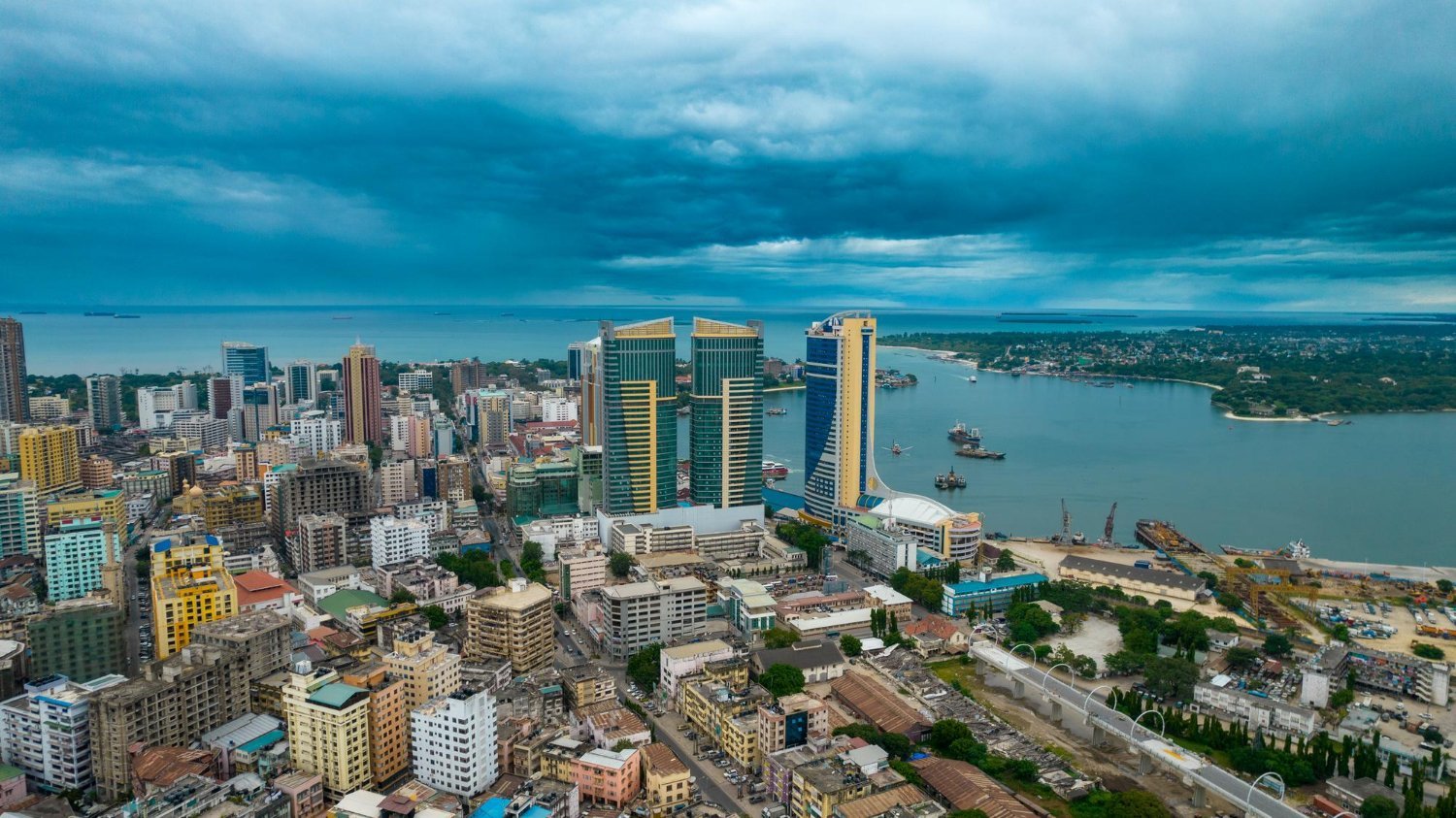
In 2026, prime land in Masaki trades at USD 1,400 to USD 2,655 per square metre. A four-bedroom house in Austin, Texas costs less than that same empty plot, comes with freehold title, and includes functioning roads, water, and power. The economics should not make sense. They do because Dar es Salaam has concentrated all its desirable infrastructure into a few coastal neighbourhoods and left everywhere else behind. That is not a real estate problem. It is a city planning failure with a real estate price tag. The anomaly is structural: artificial scarcity of serviced land, expatriate demand priced in hard currency, and infrastructure confined to the same three postcodes create a self-reinforcing premium that disconnects price from any rational economic foundation. Closing the gap requires not making Masaki cheaper but making the corridors of Mbweni, Mbezi, Kigamboni, Goba, and Tegeta genuinely equivalent alternatives through targeted infrastructure extension, land title formalisation, and amenity decentralisation. Kigali did this deliberately over a decade. Dar es Salaam has not started.

Opinion: East Africa Must Break Its Borrowing Habit. Every Budget Season Follows the Same Script. It Is Time to Ask Whether That Script Has to Change.
Policy & Governance 30 June 2026

Opinion: East Africa Must Break Its Borrowing Habit. Every Budget Season Follows the Same Script. It Is Time to Ask Whether That Script Has to Change.

This opinion piece argues that East African governments have allowed borrowing to become a substitute for structural fiscal reform rather than a strategic instrument for productive investment. Kennedy Mmari contends that persistent borrowing reduces political pressure to address inefficient tax administration, loss-making state enterprises, wasteful procurement, and large informal economies whose formalisation would expand domestic revenue without external debt. The piece proposes that recurrent budgets should be balanced entirely from domestic revenue, new borrowing should be permitted only for projects with independently verified economic returns, and private capital through PPP and concession models should become the first option rather than the last. Mr. Mmari acknowledges that borrowing is legitimate in emergencies but argues that treating ordinary development as an extraordinary circumstance every year has converted a strategic tool into a fiscal habit whose long-term cost is economic dependence rather than economic independence.