
$42 Billion LNG Project Poised to Reshape Tanzania’s Economy
Ready
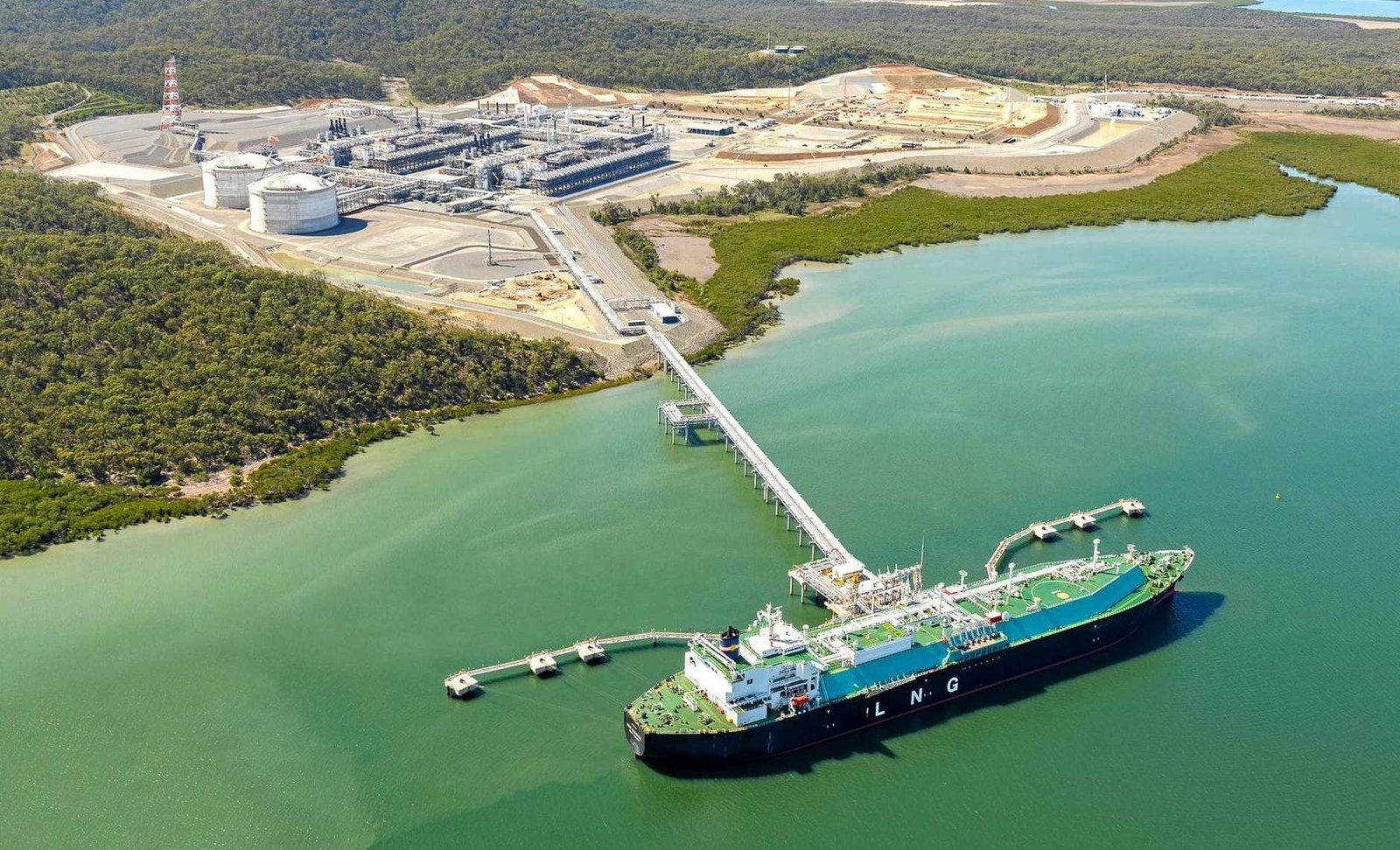
Tanzania is on the verge of a historic economic transformation as plans advance for a $42 billion liquefied natural gas (LNG) project, the largest single investment in the country’s history. The scale of the project, almost half of Tanzania’s current GDP, estimated at $89 billion, positions it as a potential game-changer for growth, exports, and fiscal revenues.
A Shift in Economic Scale
If finalised, the LNG development would immediately lift Tanzania into the ranks of Africa’s major energy exporters. The investment is being pursued in partnership with international energy giants, including Equinor and Shell, and is expected to anchor Tanzania’s role in global energy markets.
The size of the project is staggering. Capital spending alone is equivalent to nearly 49 per cent of annual GDP, a level rarely seen in frontier economies. During the multi-year construction phase, the project would trigger a surge in foreign direct investment inflows, increased demand for services, transport, and housing, and thousands of construction-related jobs.
Exports and Public Finances
Once operational, the LNG terminal would generate billions of dollars in annual export earnings, reversing Tanzania’s dependence on imported fuels and positioning it as a net energy exporter. With robust contracts, these flows could sustain current account surpluses and provide a reliable stream of fiscal revenues through taxes, royalties, and state participation.
Minerals and Energy experts note that the fiscal impact could be profound. Revenue inflows would provide the government with new resources for infrastructure, education, healthcare, and debt reduction, provided they are managed through transparent, rules-based fiscal institutions.
Jobs and Industrial Linkages
The project is expected to create thousands of temporary jobs during construction but only hundreds of permanent operational roles, reflecting LNG’s capital-intensive nature. The real long-term opportunity lies in industrial linkages. An abundant gas supply can power downstream industries such as fertiliser plants, petrochemicals, and manufacturing hubs, turning Tanzania into a more competitive industrial base.
Risks and Cautions
The potential is enormous, but so are the risks.
- Dutch disease. Large foreign inflows could appreciate the shilling, undermining agriculture and manufacturing competitiveness.
- Price volatility. LNG revenues depend heavily on global gas markets, which are prone to sharp swings.
- Governance. Poor revenue management or rent-seeking could erode the economic benefits.
- Debt exposure. A project of this magnitude requires complex financing. If risks are transferred to government balance sheets, fiscal stress could mount.
Lessons from Mozambique’s LNG sector highlight both the upside of rapid growth and the downside of delays, cost overruns, and governance challenges.
The Policy Imperative
For Tanzania to turn the LNG project into lasting prosperity, five imperatives are clear:
- Negotiate fair commercial terms to secure long-term fiscal benefits without excessive liabilities.
- Establish transparent fiscal rules and a sovereign wealth fund to manage revenues sustainably.
- Prioritize local content by enforcing supplier development and skills training programs.
- Invest in diversification, channeling LNG revenues into infrastructure, industry, and human capital.
- Stabilize for volatility, building financial buffers to manage commodity price cycles.
The Outlook
If managed well, the LNG project could add several percentage points to annual GDP growth, transform Tanzania into a major African energy exporter, and provide the fiscal space for decades of investment in development.
But without strong institutions and discipline, the country risks repeating the resource curse seen elsewhere. The opportunity is historic — Tanzania must now prove it can turn gas into growth.
 Uchumi360
Business Intelligence
Uchumi360
Business Intelligence
Uchumi360 covers business, investment, and economic policy across East, Central, and Southern Africa.
For the serious reader
You read to the end. That places you in a small group.
Uchumi360 is built for readers who demand precision over speed, structure over sentiment, and analysis that holds uncomfortable conclusions rather than softening them. If this work sharpens how you think about Africa's economy, help us keep building the infrastructure behind it.
Institutional Partners
Commission intelligence. Shape the conversation.
Uchumi360 works with development finance institutions, investment firms, sovereign bodies, and strategic organisations across the coverage region. Institutional partnership unlocks:
- Commissioned sector and country intelligence reports
- Branded research series under your institution's authority
- Exclusive data briefings for internal strategy teams
- Speaking and editorial presence at Uchumi360 events
- Co-published investment outlooks for your markets
Support Our Work
Independent analysis has a cost. Help us bear it.
Uchumi360 does not carry advertising. It does not take editorial direction from sponsors. Every article is produced without commercial compromise. Your contribution funds the reporting, research, and editorial infrastructure that keeps this analysis free from influence.
Secure checkout: One-time and monthly support are processed securely.
Stay Connected
Keep up with every new insight.
Follow our latest analysis, policy coverage, and market intelligence as soon as it is published. If you need something specific, reach out directly and we will point you to the right research.
