
Tanzania Moves to Strengthen Energy Security with Ntorya–Madimba Gas Pipeline
Ready
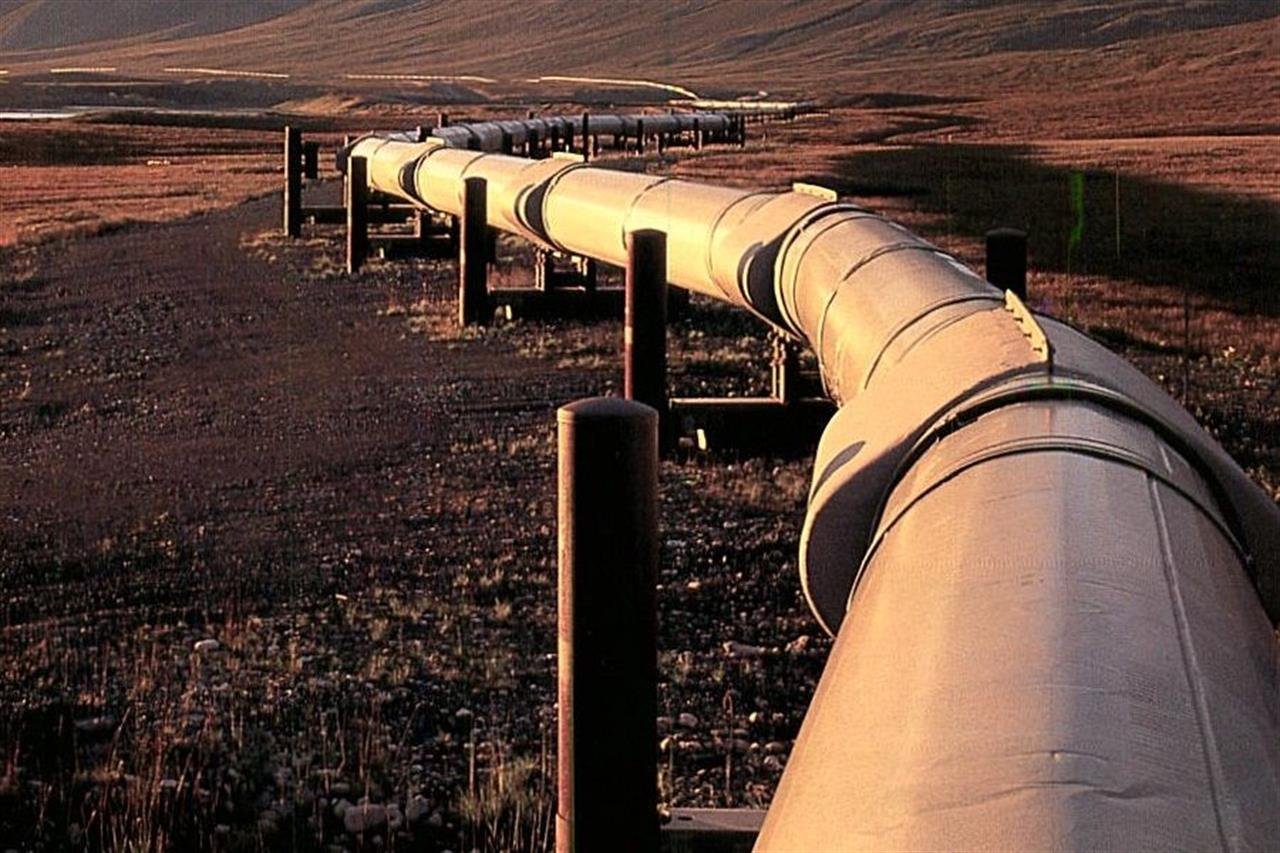
Tanzania is entering a new phase of energy and industrial development with the launch of the Ntorya to Madimba Raw Natural Gas Pipeline, a 34.2-kilometre infrastructure project managed by the Tanzania Petroleum Development Corporation. The pipeline will transport raw gas from the Ntorya Gas Field in Mtwara to the Madimba Gas Processing Plant, forming a critical link in the country’s long-term plan to stabilise domestic energy supply and support industrial expansion.
Infrastructure Designed for Long-Term Economic Returns
The completed engineering design and cost estimates, finalised in July 2024, indicate that the project has already cleared its planning bottlenecks. The Environmental and Social Impact Assessment certificate was issued in August 2024, removing the last major regulatory hurdle. With the EPC contract awarded to China Petroleum Pipeline Engineering Co. Ltd. and China Petroleum Technology and Development Corporation in July 2025, the project is now in full implementation.
From an economic perspective, the pipeline’s value lies in its ability to reduce energy volatility. Tanzania’s manufacturing sector remains constrained by high operating costs, inconsistent electricity supply and an over-reliance on costly fuels. A reliable stream of raw natural gas feeding into one of the country’s key processing facilities directly lowers the marginal cost of power generation and industrial energy use. Over time, this creates cost benefits that ripple through the broader economy.
Boosting Industrial Output and Lowering Production Costs
Energy cost is one of the biggest determinants of competitiveness for industries such as cement, steel, fertiliser, textiles, food processing and glass manufacturing. More consistent gas supply reduces the need for diesel generators and cuts exposure to fluctuations in global fuel markets. Firms that switch from expensive liquid fuels to natural gas typically see lower unit production costs and improved profit margins. That translates into greater investment capacity, more reliable growth and the potential to expand export-oriented manufacturing.
The pipeline also strengthens the economics of the Madimba Gas Plant itself. Increased feedstock means higher utilisation of existing infrastructure, improved economies of scale and more predictable revenue flows for the national energy system. High utilisation rates are essential for achieving a competitive domestic gas price, which in turn influences the pace of industrialisation.
Stimulating Growth Along the Southern Corridor
Although relatively short, the pipeline cuts through 11 villages, bringing localised but meaningful economic effects. Infrastructure projects of this scale typically generate employment during construction and create demand for local goods and services such as transport, housing, food supply and small-scale contracting. These spill-overs are temporary but significant for rural communities along the Mtwara corridor.
More strategically, strengthening Mtwara’s gas infrastructure lays the foundation for broader development of the southern economic zone. With the region already home to major gas reserves, a well-linked processing and transport system increases the viability of future downstream industries ranging from fertiliser production to heavy manufacturing. That translates into long-term structural growth rather than short-term construction gains.
Protecting Foreign Exchange and Reducing Import Dependence
Tanzania spends considerable foreign exchange on imported petroleum products. Expanding domestic gas supply helps reduce reliance on imported fuels for electricity generation. Every megawatt generated from natural gas instead of diesel is a reduction in foreign exchange leakage. Over several years, this reallocation can meaningfully improve the country’s balance of payments and exchange-rate stability.
Gas also provides a more predictable pricing framework. Unlike global petroleum markets that swing with geopolitical tensions, local gas supply is shaped primarily by domestic production levels and regulated pricing structures. This stability benefits both consumers and industries that depend on energy price forecasting to plan investments.
Risks That Could Shape the Project’s Final Economic Impact
The pipeline’s economic promise rests on three critical factors: sustained field output from Ntorya, strong demand from power producers and industrial consumers, and efficient operation of the Madimba plant. Underperformance in any of these areas would weaken the cost-benefit logic of the pipeline.
Additionally, delays, cost overruns or operational inefficiencies could raise the project’s final cost structure, pushing breakeven further into the future. The presence of experienced EPC contractors mitigates the execution risk, but the long-term gains still depend on coordinated policy, reliable gas pricing and stable industrial demand.
A Strategic Investment in Tanzania’s Energy Future
The Ntorya–Madimba pipeline is more than a transport structure. It is an economic instrument designed to cut energy costs, support manufacturing, reduce fuel imports and unlock regional development around Mtwara. If executed well, it will strengthen Tanzania’s energy security and enhance its competitiveness in the region.
In an economy where industrial growth depends heavily on affordable and stable energy, this project positions Tanzania to shift from reactive energy management to long-term strategic supply. The coming years will show how effectively the country uses this new capacity to drive industrial transformation.
 Uchumi360
Business Intelligence
Uchumi360
Business Intelligence
Uchumi360 covers business, investment, and economic policy across East, Central, and Southern Africa.
For the serious reader
You read to the end. That places you in a small group.
Uchumi360 is built for readers who demand precision over speed, structure over sentiment, and analysis that holds uncomfortable conclusions rather than softening them. If this work sharpens how you think about Africa's economy, help us keep building the infrastructure behind it.
Institutional Partners
Commission intelligence. Shape the conversation.
Uchumi360 works with development finance institutions, investment firms, sovereign bodies, and strategic organisations across the coverage region. Institutional partnership unlocks:
- Commissioned sector and country intelligence reports
- Branded research series under your institution's authority
- Exclusive data briefings for internal strategy teams
- Speaking and editorial presence at Uchumi360 events
- Co-published investment outlooks for your markets
Support Our Work
Independent analysis has a cost. Help us bear it.
Uchumi360 does not carry advertising. It does not take editorial direction from sponsors. Every article is produced without commercial compromise. Your contribution funds the reporting, research, and editorial infrastructure that keeps this analysis free from influence.
Secure checkout: One-time and monthly support are processed securely.
Stay Connected
Keep up with every new insight.
Follow our latest analysis, policy coverage, and market intelligence as soon as it is published. If you need something specific, reach out directly and we will point you to the right research.
