
Tanzania’s Strategic Gas Pipeline: TPDC Advances the Ntorya–Madimba Natural Gas Link
Ready
Tanzania’s TPDC is advancing a strategic natural gas pipeline from Ntorya to Madimba to secure reliable gas flows for power, industry and broader economic use, marking a major step in national energy infrastructure development.
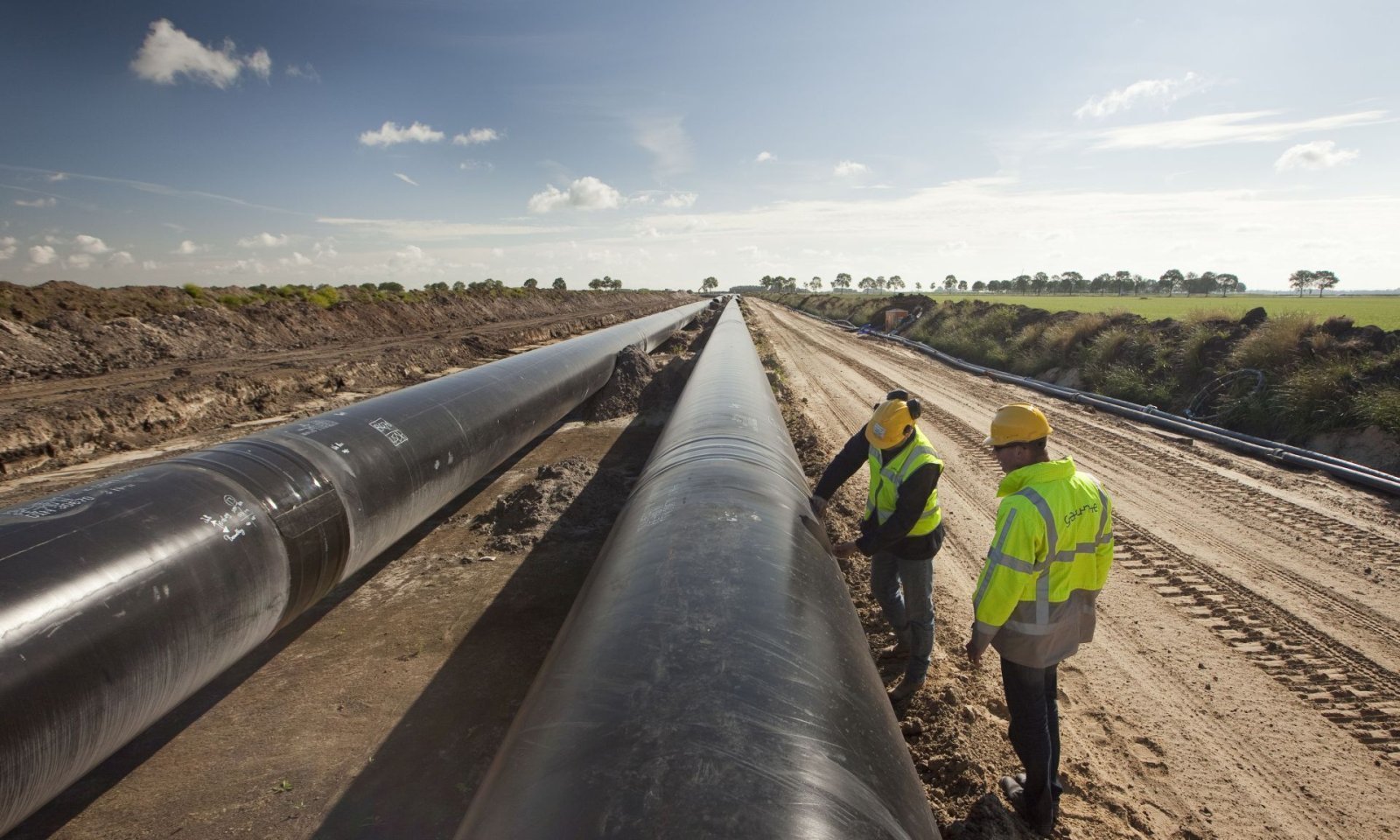
The Tanzania Petroleum Development Corporation (TPDC), the state oil and gas company, has moved a major piece of energy infrastructure to execution, a high-pressure pipeline that will carry natural gas from the Ntorya Gas Field in Mtwara to the Madimba Natural Gas Processing Plant. This isn’t just a technical build-out. It is a deliberate economic pivot toward a more reliable, domestic gas supply that can power industries, expand electricity generation, and potentially extend into household and commercial use.
TPDC is the national oil company through which the Ministry of Energy and Minerals implements petroleum exploration, development and petroleum infrastructure policies in Tanzania.
Why the Pipeline Matters Economically
The Ntorya–Madimba Natural Gas Pipeline is a 34.2-kilometre backbone that integrates upstream gas resources with midstream processing capacity. It will connect raw natural gas from Ntorya to Madimba where the gas will be treated and prepared for use in broader markets, industrial, power and potentially domestic.
Gas has become one of Tanzania’s most critical economic assets. As the country positions itself for expanded power generation, industrial competitiveness and energy security, the ability to transport gas reliably across regions is foundational. This pipeline stands at the intersection of several strategic goals:
- Industrial growth: Reliable gas fuels factories and energy-intensive industries that struggle with high power costs.
- Electricity generation: Gas feedstock reduces dependence on costly diesel generation and stabilizes supply, which boosts investor confidence.
- Export and domestic linkage: Processed gas strengthens Tanzania’s position in regional energy markets, both as a destination for investment and as a competitor in exportable gas products.
In this sense, the pipeline is not an isolated infrastructure project. It is a long-term anchor for Tanzania’s broader economic ambitions in energy-linked sectors.
A Step-By-Step Build Toward Reliability
TPDC’s approach to this project reflects a sequential maturity that matters for investors and policymakers alike:
- Feasibility and route selection: A comprehensive survey assessed terrain and community impact to identify an efficient, low-disruption alignment. It also ensured land acquisition and community compensation were handled transparently and legally before construction roles began.
- Regulatory grounding: The pipeline received its Environmental and Social Impact Assessment (ESIA) approval in August 2024 from the National Environment Management Council, confirming compliance with national environmental standards and international best practice.
- Engineering design and cost analysis: Detailed engineering and cost assessments provide clarity on technical specifications, materials and project deliverables, reducing risk before capital mobilization.
- Contracting and site readiness: In July 2025, TPDC signed an Engineering, Procurement, and Construction (EPC) contract with a consortium of China Petroleum Pipeline Engineering Co., Ltd. and China Petroleum Technology & Development Corporation, unlocking physical site access and on-the-ground work.
These milestones reflect a disciplined transition from planning to execution, which underscores the pipeline’s viability and its potential to deliver steady gas flows on schedule.
Strategic Impacts Across Sectors
Economically, the pipeline is much more than steel buried underground.
Power generation: By guaranteeing raw gas delivery to processing facilities, downstream power plants receive a predictable fuel source. Electric utilities and industrial consumers can plan around more stable, lower-cost energy inputs rather than expensive alternatives.
Industry competitiveness: Manufacturers prioritizing predictable energy input costs become more competitive both domestically and regionally. Natural gas effectively becomes a utility that underpins new factories, chemicals, and energy-intensive value chains.
Energy export potential: While domestic consumption is a priority, processed gas can also feed regional energy markets, a strategic export opportunity that expands Tanzania’s role beyond production into energy trade.
Job creation and skills: Construction, pipeline maintenance, processing and associated service industries, from engineering firms to logistics providers, all gain commercial opportunities from sustained energy infrastructure development.
A Broader Energy Narrative
This pipeline is one thread in Tanzania’s energy story. The country holds substantial natural gas resources, with estimates suggesting reserves that dwarf current domestic demand and create potential for export growth.
TPDC’s role, as a wholly state-owned parastatal, is to coordinate upstream exploration and midstream investments, aligning government strategy with market capability. Its work on this project reflects broader national priorities, including industrial diversification, energy security, and export competitiveness.
Infrastructure as Economic Leverage
The Ntorya–Madimba Natural Gas Pipeline is not simply about moving gas from Point A to Point B. It is about embedding energy security into the economic DNA of Tanzania. By providing a dependable supply of raw gas to processing infrastructure, the pipeline enables:
- greater stability for power planning
- improved cost structures for manufacturing
- deeper participation in regional energy markets
And for investors, it signals Tanzania’s seriousness in building physical systems that reduce uncertainty, increase industrial predictability, and unlock energy-linked economic expansion.
For Uchumi360, it is a reminder that the future of Tanzania’s economy is being engineered one critical infrastructure milestone at a time.
 Uchumi360
Business Intelligence
Uchumi360
Business Intelligence
Uchumi360 covers business, investment, and economic policy across East, Central, and Southern Africa.
For the serious reader
You read to the end. That places you in a small group.
Uchumi360 is built for readers who demand precision over speed, structure over sentiment, and analysis that holds uncomfortable conclusions rather than softening them. If this work sharpens how you think about Africa's economy, help us keep building the infrastructure behind it.
Institutional Partners
Commission intelligence. Shape the conversation.
Uchumi360 works with development finance institutions, investment firms, sovereign bodies, and strategic organisations across the coverage region. Institutional partnership unlocks:
- Commissioned sector and country intelligence reports
- Branded research series under your institution's authority
- Exclusive data briefings for internal strategy teams
- Speaking and editorial presence at Uchumi360 events
- Co-published investment outlooks for your markets
Support Our Work
Independent analysis has a cost. Help us bear it.
Uchumi360 does not carry advertising. It does not take editorial direction from sponsors. Every article is produced without commercial compromise. Your contribution funds the reporting, research, and editorial infrastructure that keeps this analysis free from influence.
Secure checkout: One-time and monthly support are processed securely.
Stay Connected
Keep up with every new insight.
Follow our latest analysis, policy coverage, and market intelligence as soon as it is published. If you need something specific, reach out directly and we will point you to the right research.
