
Livestock Wealth – Tanzania’s 30 Trillion Shilling Sector and the Path to Global Competitiveness
Ready
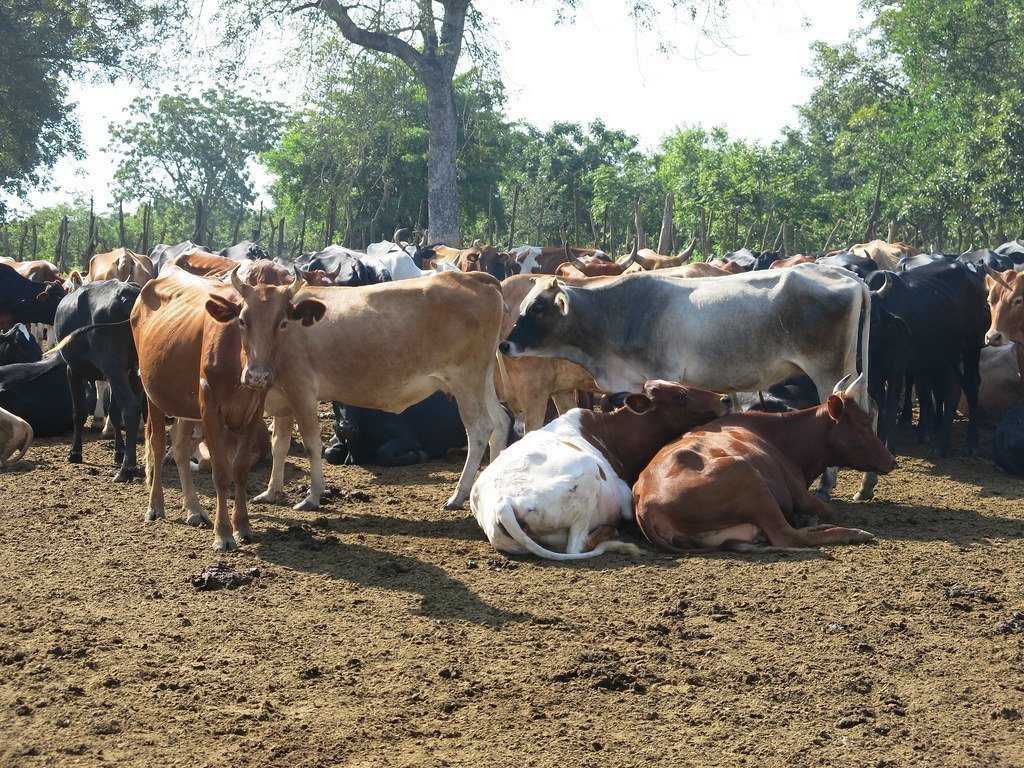
A Tanzanian cow produces about 6 liters of milk per day, compared to 20 liters in Kenya or 30 liters in Europe.
In 2023, Tanzania’s livestock sector contributed 6.2% of GDP and grew by 5%, a significant footprint in an economy targeting structural transformation. The value of livestock products reached TZS 30.4 trillion in 2023, with projections to hit TZS 33.2 trillion in 2025. With over 4.6 million households engaged in livestock, this is not just an industry, it is a social safety net for millions.
The economic significance
- Meat production rose to 963,856 tonnes in 2023/24, worth TZS 9.4 trillion, and is projected to surpass 1 million tonnes by 2025.
- Milk output reached 9.97 billion liters in 2023/24, valued at TZS 3.1 trillion, with expected growth to 10.5 billion liters worth TZS 3.2 trillion in 2025.
- Export revenues are surging: by April 2025, Tanzania had already exported 9,863 tonnes of meat, 90% of it destined for foreign markets.
Structural bottlenecks
Despite this progress, productivity remains below global averages. A Tanzanian cow produces about 6 liters of milk per day, compared to 20 liters in Kenya or 30 liters in Europe. Meat yields are also low due to underinvestment in feed, breeds, and veterinary services.
Regional and global positioning
Kenya’s dairy industry generates $1.2 billion annually, powered by smallholder cooperatives and better breeds. Ethiopia exports more live animals than Tanzania due to stronger market integration with the Middle East. If Tanzania wants to compete, it must pivot from live animal exports to processed, high-value products such as packaged beef, powdered milk, and leather goods.

To achieve this, Tanzania must:
- Scale up feed production, with 23,589 hectares already allocated for pasture.
- Promote value-added exports, from processed meat to dairy products.
- Modernize veterinary services to reduce livestock disease and mortality.
- Encourage cooperatives that link smallholders to large-scale processing plants.
With structured reforms, livestock could become a $15 billion sector by 2035, driving rural incomes, industrial growth, and foreign exchange.
 Uchumi360
Business Intelligence
Uchumi360
Business Intelligence
Uchumi360 covers business, investment, and economic policy across East, Central, and Southern Africa.
For the serious reader
You read to the end. That places you in a small group.
Uchumi360 is built for readers who demand precision over speed, structure over sentiment, and analysis that holds uncomfortable conclusions rather than softening them. If this work sharpens how you think about Africa's economy, help us keep building the infrastructure behind it.
Institutional Partners
Commission intelligence. Shape the conversation.
Uchumi360 works with development finance institutions, investment firms, sovereign bodies, and strategic organisations across the coverage region. Institutional partnership unlocks:
- Commissioned sector and country intelligence reports
- Branded research series under your institution's authority
- Exclusive data briefings for internal strategy teams
- Speaking and editorial presence at Uchumi360 events
- Co-published investment outlooks for your markets
Support Our Work
Independent analysis has a cost. Help us bear it.
Uchumi360 does not carry advertising. It does not take editorial direction from sponsors. Every article is produced without commercial compromise. Your contribution funds the reporting, research, and editorial infrastructure that keeps this analysis free from influence.
Secure checkout: One-time and monthly support are processed securely. Add payment credentials to enable checkout here.
Stay Connected
Keep up with every new insight.
Follow our latest analysis, policy coverage, and market intelligence as soon as it is published. If you need something specific, reach out directly and we will point you to the right research.
