
Tanzania’s Cattle Horn Industry: Unlocking Hidden Wealth
Ready
Global markets especially in China, Vietnam, and parts of Europe, cattle horns are in high demand for decorative items, buttons, utensils, handicrafts, and even traditional medicine.
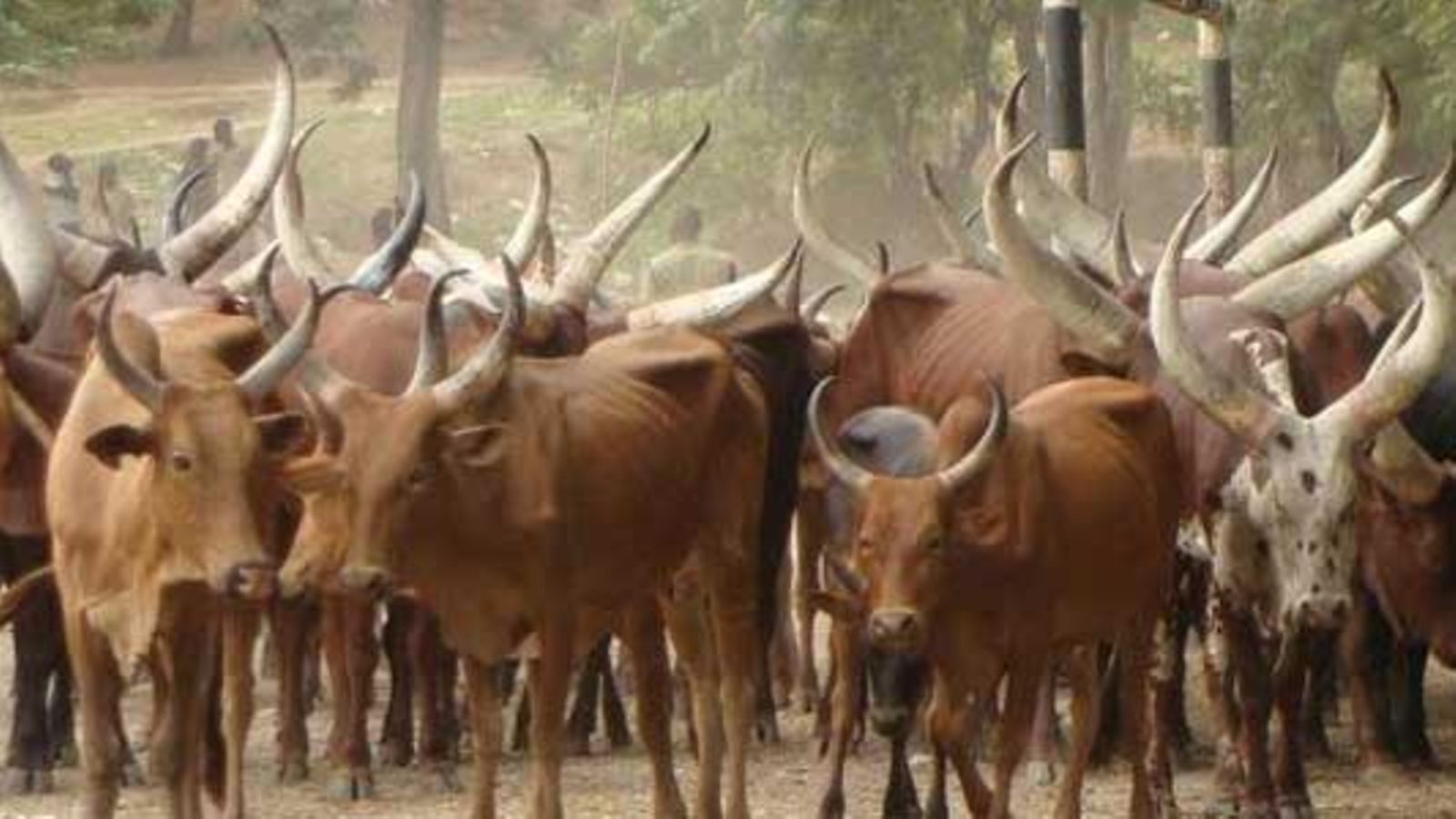
Tanzania, with its vast livestock wealth, is sitting on an overlooked but lucrative opportunity: the cattle horn industry. Every year, millions of cattle are slaughtered across the country, leaving behind horns that are often discarded as waste. Yet in global markets especially in China, Vietnam, and parts of Europe, cattle horns are in high demand for decorative items, buttons, utensils, handicrafts, and even traditional medicine.
Already, in hubs like Vingunguti, Sokota (Chang’ombe), Tabata, and other industrial zones of Dar es Salaam, cattle horns are being collected, processed, and exported. Farmers and traders from upcountry regions transport horns to Dar es Salaam, where Chinese buyers and local workshops purchase them in bulk. In market analysis, cattle horns in Tanzania are typically classified into three main categories:
1. Premium-Quality Horns
These are horns of the highest grade, often sought after for fine crafts, ornaments, and export purposes. Their price ranges between TZS 10,000–13,500 per kilogram, making them the most valuable segment in the market.
2. Medium-Quality Horns
These are horns of fair but lower quality compared to the premium ones. They are usually purchased for basic industrial use, local crafts, or processing into simple products. Their price ranges between TZS 2,000–3,500 per kilogram.
3. Low-Quality Horns
These are horns with defects or poor structure, often unsuitable for commercial use. In most cases, they are discarded by buyers or sold at negligible prices.
For anyone engaging in the horn trade, it is crucial to learn how to assess and grade horn quality. Understanding what buyers want and being able to identify the right category ensures better profit margins and minimizes losses.
If harnessed strategically, this sector could generate significant income, jobs, and exports, turning waste into wealth.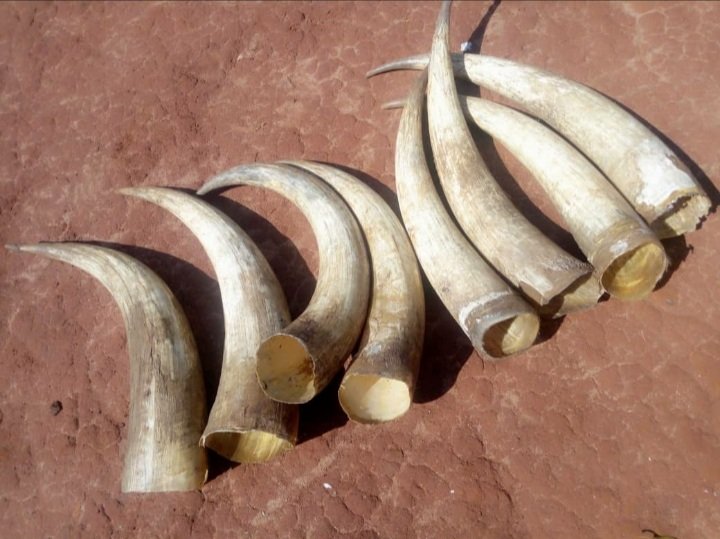
A Hidden Economic Asset
Tanzania ranks second in Africa in livestock population (after Ethiopia) with more than 36 million cattle (2022 census). Assuming even 20% of these cattle are slaughtered annually, that would generate over 7 million pairs of horns each year.
Employment and Industry Linkages
Like leather, cattle horns could fuel thousands of jobs if transformed into an industrial cluster. Artisans, youth, and SMEs could tap into:
- Handicraft industries – Jewellery, carvings, and home décor made from horns.
- Fashion industry – Buttons, buckles, and accessories for clothes and bags.
- Kitchenware and utensils – Traditional spoons, cups, and handles.
- Export hubs – Supplying China and Europe, where demand is rising.
Challenges Holding Back the Sector
Despite its promise, the horn industry faces major obstacles:
- Lack of organization – Most traders operate informally, with little value-chain coordination.
- Low processing capacity – Few modern workshops exist to process horns into export-grade products.
- Market dominance by foreigners – Chinese buyers often dictate prices, limiting Tanzanians’ profits.
- Limited branding – Tanzanian horn products are rarely branded, reducing their global market identity.
- Policy gaps – No clear industrial policy incentives exist for horn-based
The Outlook
The cattle horn industry may seem small, but it represents hidden wealth within Tanzania’s livestock economy. If properly developed, it could generate $200–300 million annually, diversify exports, and create sustainable jobs for youth.
By turning horns from waste into wealth, Tanzania can add another pillar to its industrial growth, complementing leather, meat, and dairy. This sector may not alone push Tanzania to a $1 trillion economy by 2050, but as part of a broader livestock industrialization strategy, it could play a decisive role in transforming rural resources into national prosperity.
 Uchumi360
Business Intelligence
Uchumi360
Business Intelligence
Uchumi360 covers business, investment, and economic policy across East, Central, and Southern Africa.
For the serious reader
You read to the end. That places you in a small group.
Uchumi360 is built for readers who demand precision over speed, structure over sentiment, and analysis that holds uncomfortable conclusions rather than softening them. If this work sharpens how you think about Africa's economy, help us keep building the infrastructure behind it.
Institutional Partners
Commission intelligence. Shape the conversation.
Uchumi360 works with development finance institutions, investment firms, sovereign bodies, and strategic organisations across the coverage region. Institutional partnership unlocks:
- Commissioned sector and country intelligence reports
- Branded research series under your institution's authority
- Exclusive data briefings for internal strategy teams
- Speaking and editorial presence at Uchumi360 events
- Co-published investment outlooks for your markets
Support Our Work
Independent analysis has a cost. Help us bear it.
Uchumi360 does not carry advertising. It does not take editorial direction from sponsors. Every article is produced without commercial compromise. Your contribution funds the reporting, research, and editorial infrastructure that keeps this analysis free from influence.
Secure checkout: One-time and monthly support are processed securely. Add payment credentials to enable checkout here.
Stay Connected
Keep up with every new insight.
Follow our latest analysis, policy coverage, and market intelligence as soon as it is published. If you need something specific, reach out directly and we will point you to the right research.
