
How Tanzania Can Empower Youth in Fruit Farming; Learning From Germany and Netherlands
Ready
The country already has juice factories like Azam, Sayona, METL, and Dabaga that run below capacity due to inconsistent fruit supply.
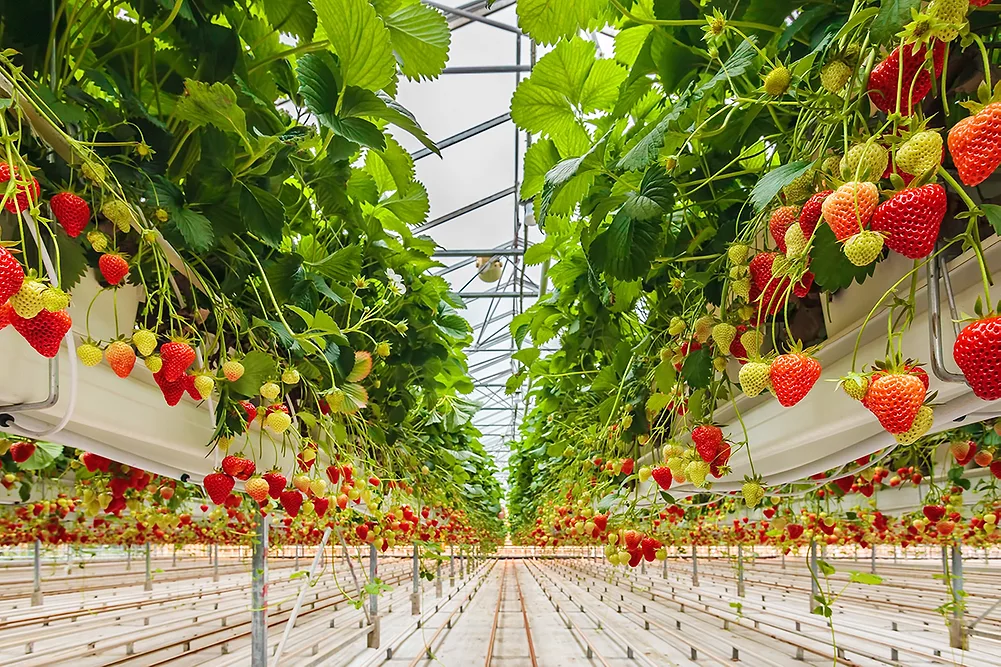
Tanzania’s youth unemployment challenge demands bold, practical solutions. Fruit farming, when connected to juice factories and export markets, has the potential to employ thousands and transform rural economies. Countries like Germany and the Netherlands have already proven that horticulture can create jobs, boost exports, and power Agro-industrial growth. Tanzania has the same potential with land, youth, factories, airports, and cold storage facilities already in place.
Here are five proven strategies with global lessons and numbers that Tanzania can adopt.
1. Provide Access to Land, Inputs, and Training
In Germany, there are over 13,500 vocational students in agricultural colleges every year, and about 8,000 new farmers under 35 enter the sector annually through structured programs. Many of them go into fruits, wine, and vegetables.
In the Netherlands, Wageningen University and dozens of vocational schools graduate over 10,000 horticulture specialists annually, creating a steady stream of skilled young farmers.
For Tanzania: If the government invests in training 5,000 - 10,000 youth per year in horticulture and provides them with Irrigations land blocks in Njombe, Mbeya, Iringa, Kagera and Kilimanjaro, it could create a new generation of professional fruit farmers.
2. Create Affordable Financing for Youth Farmers
Germany’s Landwirtschaftliche Rentenbank provides €1.6 billion annually in soft loans to young farmers. These loans cover greenhouses, orchards, irrigation, and storage.
In the Netherlands, the government runs a “Young Farmers Scheme,” which grants €70 million yearly to young Agri-entrepreneurs.
For Tanzania: If TADB and government guarantee funds set aside even TSh 100 billion (~US$40 million) annually for youth fruit farming loans, this could finance thousands of new orchards, each employing 5 10 workers, creating thousands of rural jobs in just five years.
3. Link Farmers to Juice Factories and Agro-Processing Industries
Germany’s fruit cooperatives supply over 350 juice and jam factories, employing about 40,000 people directly in fruit processing.
The Netherlands has more than 200 fruit-processing SMEs, which export juices and purees worth over €600 million annually.
For Tanzania: The country already has juice factories like Azam, Sayona, METL, and Dabaga that run below capacity due to inconsistent fruit supply. If youth cooperatives supply these factories steadily, at least 20,000 jobs can be created in farming, transport, and processing while reducing fruit waste.
4. Support Export Readiness Through Logistics and Standards
The Netherlands exports fruits and vegetables worth €12 billion annually, much of it re-exported through Rotterdam and Schiphol.
Germany exports around €3.5 billion in fruits each year, driven by strict compliance with EU standards.
For Tanzania: Current avocado exports are worth about US$77 million. If Tanzania invested in logistics and certifications like Global G.A.P., the fruit sector (including mangoes, pineapples, and passion fruit) could exceed US$300 million in exports within five years, absorbing thousands of young people in production and supply chains.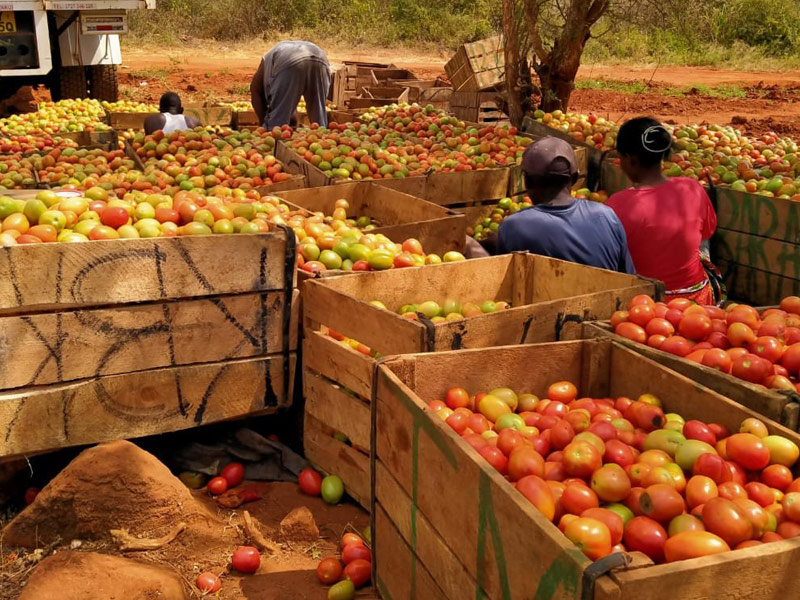
5. Build Youth Cooperatives and Agribusiness Hubs
In Germany, more than 50% of farmers under 35 are part of cooperatives, which provide shared machinery, cold rooms, and marketing services.
In the Netherlands, farmer cooperatives control over 70% of horticultural exports, giving small farmers global reach.
For Tanzania: Establishing 10 regional youth Agribusiness hubs (Njombe, Mbeya, Iringa, Kilimanjaro, Tanga, Arusha, Morogoro, Kagera, Ruvuma, and Songwe) could link thousands of youth to shared cold storage, packaging centers, and export buyers. Each hub could directly support 1,000–2,000 youth farmers, creating up to 20,000 agribusiness jobs nationwide.
The Way Forward
Germany and the Netherlands show that fruit farming is not just about agriculture it’s about building industries, jobs, and exports. With structured support, Tanzania can replicate this success. By training young farmers, financing them, linking them to factories, improving logistics, and building strong cooperatives, Tanzania could create 100,000+ jobs within a decade, cut unemployment, and position itself as a leading fruit exporter in Africa. The pieces are already in place, factories, youth, and land. What’s needed now is government strategy and investment to turn fruit into wealth.
 Uchumi360
Business Intelligence
Uchumi360
Business Intelligence
Uchumi360 covers business, investment, and economic policy across East, Central, and Southern Africa.
For the serious reader
You read to the end. That places you in a small group.
Uchumi360 is built for readers who demand precision over speed, structure over sentiment, and analysis that holds uncomfortable conclusions rather than softening them. If this work sharpens how you think about Africa's economy, help us keep building the infrastructure behind it.
Institutional Partners
Commission intelligence. Shape the conversation.
Uchumi360 works with development finance institutions, investment firms, sovereign bodies, and strategic organisations across the coverage region. Institutional partnership unlocks:
- Commissioned sector and country intelligence reports
- Branded research series under your institution's authority
- Exclusive data briefings for internal strategy teams
- Speaking and editorial presence at Uchumi360 events
- Co-published investment outlooks for your markets
Support Our Work
Independent analysis has a cost. Help us bear it.
Uchumi360 does not carry advertising. It does not take editorial direction from sponsors. Every article is produced without commercial compromise. Your contribution funds the reporting, research, and editorial infrastructure that keeps this analysis free from influence.
Secure checkout: One-time and monthly support are processed securely. Add payment credentials to enable checkout here.
Stay Connected
Keep up with every new insight.
Follow our latest analysis, policy coverage, and market intelligence as soon as it is published. If you need something specific, reach out directly and we will point you to the right research.
