
The Future of Steel Manufacturing in Tanzania
Ready
Domestic steel producers must align capacity expansion with national infrastructure timelines to ensure supply security and price stability.
Steel is the backbone of construction, infrastructure, energy, and industrial manufacturing. Tanzania’s growing industrial sector, urbanization, and flagship infrastructure projects are creating strong demand for locally produced steel. Properly leveraging domestic resources and projects can transform Tanzania into a regional steel manufacturing hub, reducing import dependence and fostering industrial growth.
1. Rising Construction Demand
Tanzania is experiencing rapid urbanization, with major infrastructure projects driving steel consumption. Roads, bridges, housing developments, and industrial plants are creating unprecedented demand. Flagship government initiatives such as the Standard Gauge Railway (SGR), flyovers in Dar es Salaam, and the LNG plant in Lindi further accelerate this trend.
While demand is growing, the country risks import dependency if local production does not scale proportionately. Domestic steel producers must align capacity expansion with national infrastructure timelines to ensure supply security and price stability. Otherwise, Tanzania may face price volatility due to reliance on imports for high-volume projects.
2. Raw Material Supply
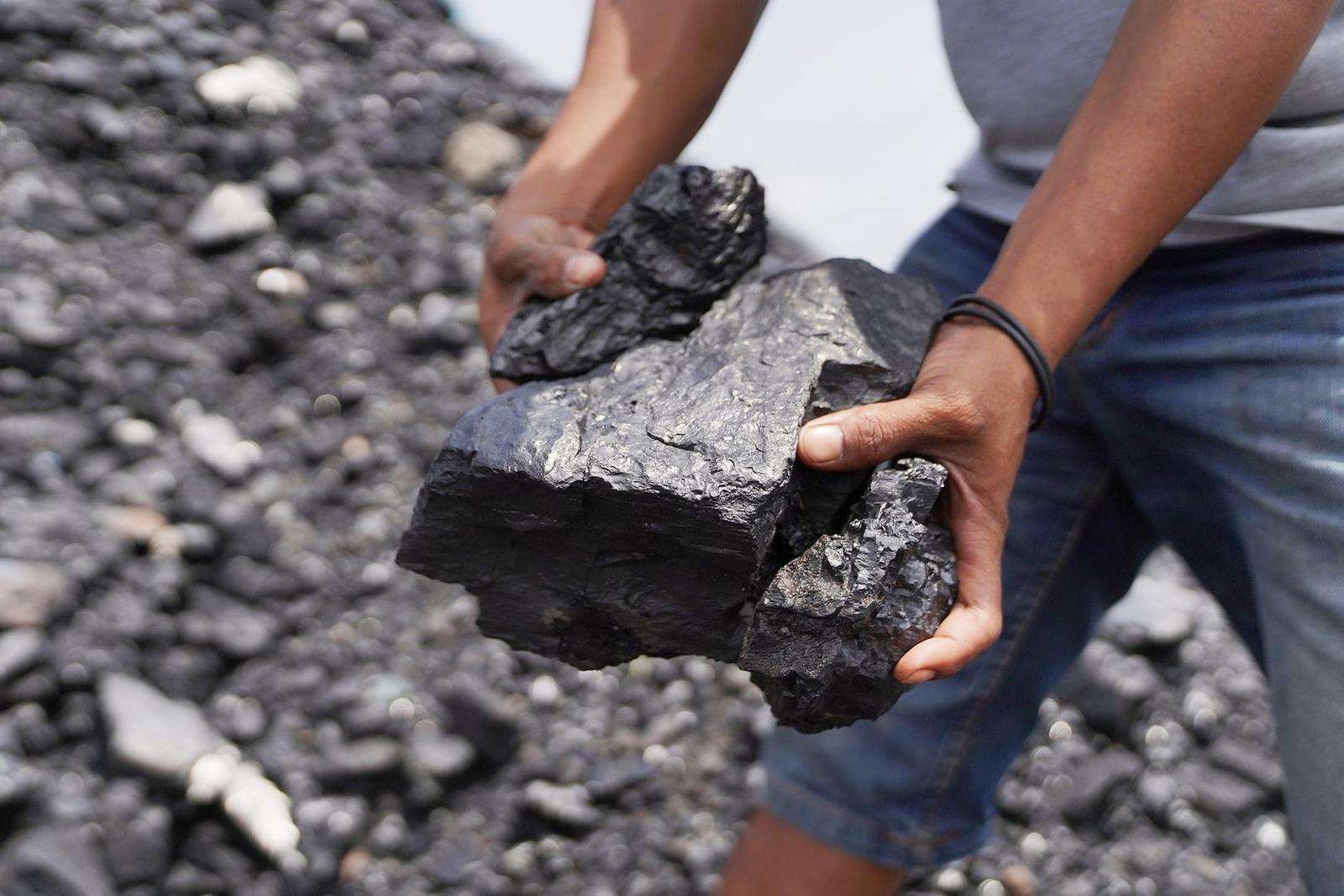
Tanzania holds significant iron ore deposits in Liganga, Mchuchuma, and other regions, which are essential for sustainable steel production. These projects are designed to produce steel billets and concentrate for local manufacturing, reducing the current dependence on imported raw materials.
- Liganga and Mchuchuma represent strategic investments, not just in raw material extraction but in vertical integration of steel production. If fully operational, these projects could supply domestic steel plants with low-cost inputs, stabilizing production costs.
- However, challenges such as logistical bottlenecks, energy supply constraints, and technical capacity gaps could hinder full utilization. Proper infrastructure, including rail and port connectivity, is critical for maximizing the efficiency and impact of these mines.
- Economically, leveraging these mines could improve Tanzania’s trade balance, reducing billet imports and retaining value-added activities domestically.
3. Regional Market Opportunities
Tanzania’s steel production capacity has the potential to serve regional markets, particularly within the East African Community (EAC) and Southern African Development Community (SADC). Neighboring countries rely heavily on steel imports, often from Asia, leaving a gap that Tanzanian producers can fill.
- By producing competitively priced, high-quality steel, Tanzania could capture market share in Kenya, Uganda, Rwanda, and Zambia.
- Regional integration, harmonized standards, and effective logistics are critical. Without addressing cross-border trade barriers and transportation inefficiencies, Tanzania risks missing opportunities despite raw material availability.
- Exporting to the region would also incentivize domestic manufacturers to innovate and improve production quality, aligning with industrialization objectives.
4. Challenges
Despite opportunities, the steel sector faces multiple hurdles:
- High energy costs increase production expenses and reduce competitiveness.
- Outdated machinery and technology limit efficiency and output quality.
- Limited skilled labor in steel manufacturing and engineering affects operational capacity.
- Infrastructure gaps in transport and logistics impede smooth supply from mines to plants and markets.
Addressing these challenges requires a combination of policy interventions, private investment, and public-private partnerships. Modernizing plants, introducing energy-efficient technology, and investing in technical training programs are essential steps for competitiveness.
Conclusion and Way Forward
Tanzania has a significant opportunity to establish a resilient steel manufacturing sector, supported by domestic raw materials and growing demand. To fully capitalize on this potential:
- Scale Liganga and Mchuchuma production and integrate them with domestic steel plants.
- Invest in modern production technology to reduce costs, improve efficiency, and ensure quality.
- Develop skilled labor pipelines through technical training and education programs.
- Enhance infrastructure and logistics, including rail and port connectivity, to streamline supply chains.
- Explore regional markets aggressively to expand exports to EAC and SADC countries.
- Support industrial policy frameworks that incentivize local manufacturing and energy-efficient practices.
If implemented effectively, Tanzania’s steel industry can reduce import dependence, support national infrastructure projects, generate employment, and position the country as a regional industrial leader. The Liganga and Mchuchuma projects, if fully operational and strategically integrated, could serve as the cornerstone for a modern, competitive, and export-oriented steel sector.
 Uchumi360
Business Intelligence
Uchumi360
Business Intelligence
Uchumi360 covers business, investment, and economic policy across East, Central, and Southern Africa.
For the serious reader
You read to the end. That places you in a small group.
Uchumi360 is built for readers who demand precision over speed, structure over sentiment, and analysis that holds uncomfortable conclusions rather than softening them. If this work sharpens how you think about Africa's economy, help us keep building the infrastructure behind it.
Institutional Partners
Commission intelligence. Shape the conversation.
Uchumi360 works with development finance institutions, investment firms, sovereign bodies, and strategic organisations across the coverage region. Institutional partnership unlocks:
- Commissioned sector and country intelligence reports
- Branded research series under your institution's authority
- Exclusive data briefings for internal strategy teams
- Speaking and editorial presence at Uchumi360 events
- Co-published investment outlooks for your markets
Support Our Work
Independent analysis has a cost. Help us bear it.
Uchumi360 does not carry advertising. It does not take editorial direction from sponsors. Every article is produced without commercial compromise. Your contribution funds the reporting, research, and editorial infrastructure that keeps this analysis free from influence.
Secure checkout: One-time and monthly support are processed securely. Add payment credentials to enable checkout here.
Stay Connected
Keep up with every new insight.
Follow our latest analysis, policy coverage, and market intelligence as soon as it is published. If you need something specific, reach out directly and we will point you to the right research.
