
How Ethiopia Rebuilt Addis Ababa in Three Years, and What It Means for East Africa's Congested Capitals
Ready
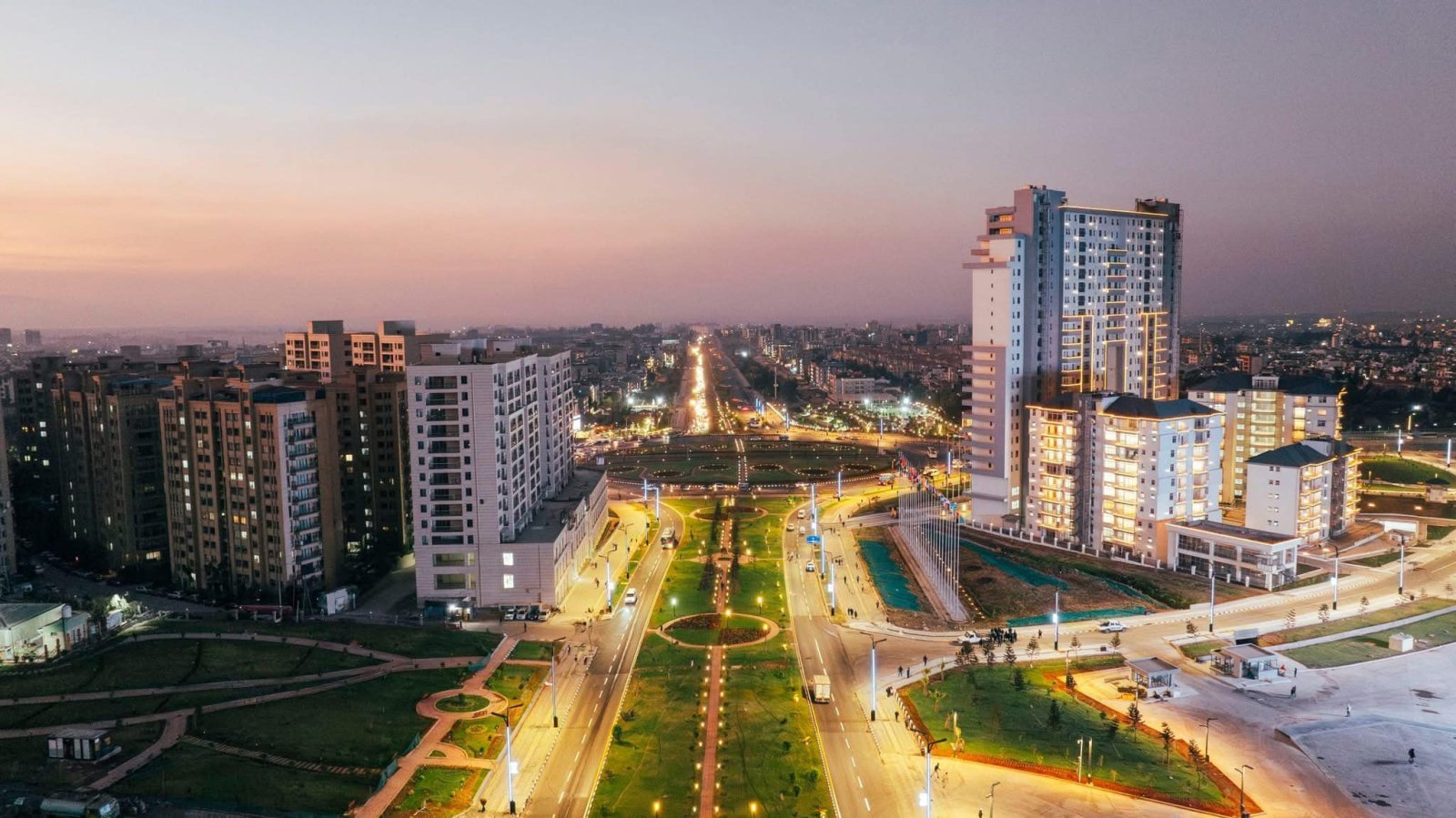
While most East African capitals continue to wrestle with congestion, informal settlement growth and infrastructure that lags years behind population growth, Ethiopia has spent the past three years doing something few African governments have managed at this pace: rebuilding a capital city's core streetscapes, and then replicating the model nationwide. The Corridor Development Project, launched in Addis Ababa in December 2022, has delivered modern roads, pedestrian walkways, lighting and green space across dozens of kilometres of the capital, and has since expanded to at least 58 cities and urban centres across the country. For Dar es Salaam, Nairobi, Kampala and other East African cities still searching for a workable answer to gridlock and underinvested public space, Ethiopia's speed of execution is the part of the story worth studying most closely.
ADDIS ABABA — Three years ago, Ethiopia's capital looked much like many other fast-growing East African cities: congested arterial roads, minimal pedestrian infrastructure, ageing utilities, and public space eroded by decades of unmanaged growth. Today, stretches of Addis Ababa feature illuminated boulevards, dedicated cycle lanes, landscaped medians and restored public squares, the product of a deliberate, government-led rebuilding programme that has moved faster and reached further than almost any comparable urban renewal effort on the continent.
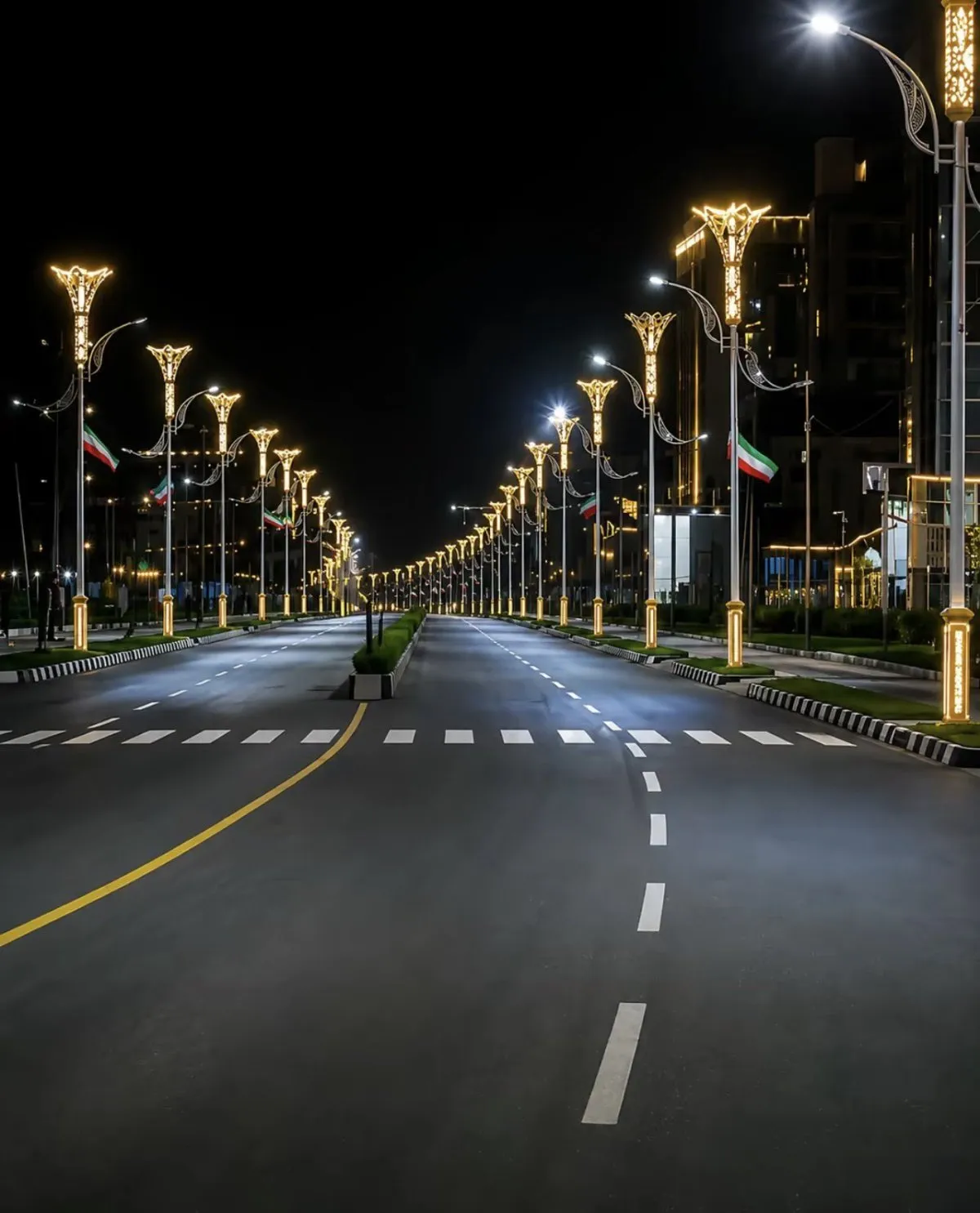
The Corridor Development Project began with a groundbreaking ceremony on 29 December 2022, led by the Addis Ababa City Administration under Mayor Adanech Abebe. The idea was straightforward: rather than patching roads piecemeal, rebuild entire corridors at once, road surface, pedestrian walkways, cycling infrastructure, lighting, drainage and green space together, so that a single stretch of the city gets a complete upgrade rather than years of disconnected repairs.
From One Capital to 58 Cities
What distinguishes Ethiopia's approach is not just the design, corridor-based renewal is a well-established urban planning concept globally, but the speed at which it scaled. Ethiopia's Minister of Urban and Infrastructure Development, Chaltu Sani, confirmed to parliament in January 2025 that at least 58 cities and urban centres across the country were now implementing their own versions of the programme, with corridor upgrades reported in Bahir Dar, Gondar and Kombolcha in Amhara region, and in Arba Minch, Hawassa, Dessie, Jimma, Adama and Jigjiga elsewhere in the country. A capital-city pilot became a national urban policy within roughly two years, a pace few governments in the region, or globally, have matched for a programme of this physical scale.
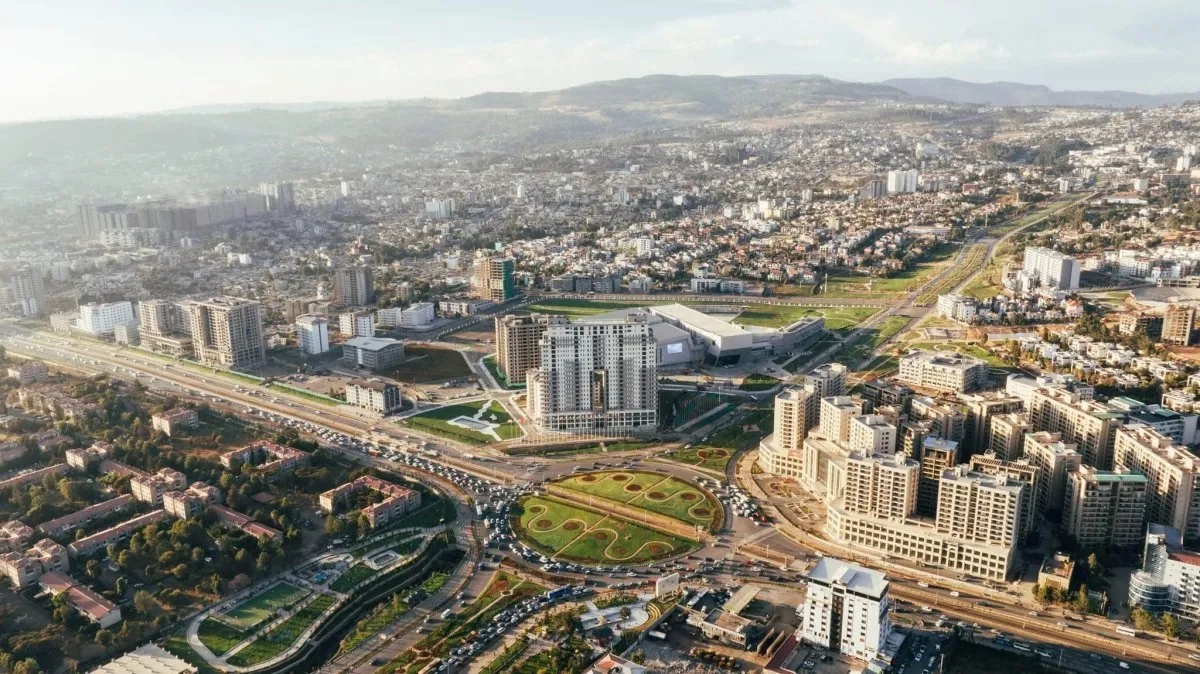
In Addis Ababa itself, the first phase delivered approximately 40 kilometres of comprehensively rebuilt streetscape, including the 10.4-kilometre Piassa-Mexico-Sarbet-Gotera-Wollo Sefer corridor, one of the most visible transformations in the historic city centre, restoring the Piassa district's public squares and walkways to a standard the area had not seen in decades. A second phase, formally approved by Addis Ababa's executive council in February 2024 and expanded in scope that October, covers roughly 2,000 hectares across eight corridors totalling 131.99 kilometres, more than tripling the first phase's reach in under two years.
The Financing Model Behind the Speed
Much of the programme's pace comes down to how it has been financed and built. Major construction contracts have gone to the China Civil Engineering Construction Corporation, giving the project access to contractor capacity and construction expertise built through decades of large-scale African infrastructure delivery, while the World Bank, involved in financing Addis Ababa's road sector since 2016, has continued to support the broader road investment programme the corridors sit within. That combination, established international contracting capacity paired with multilateral financing credibility, has let Ethiopia move from design to delivery on a scale that purely domestic financing and procurement would likely have taken considerably longer to achieve.
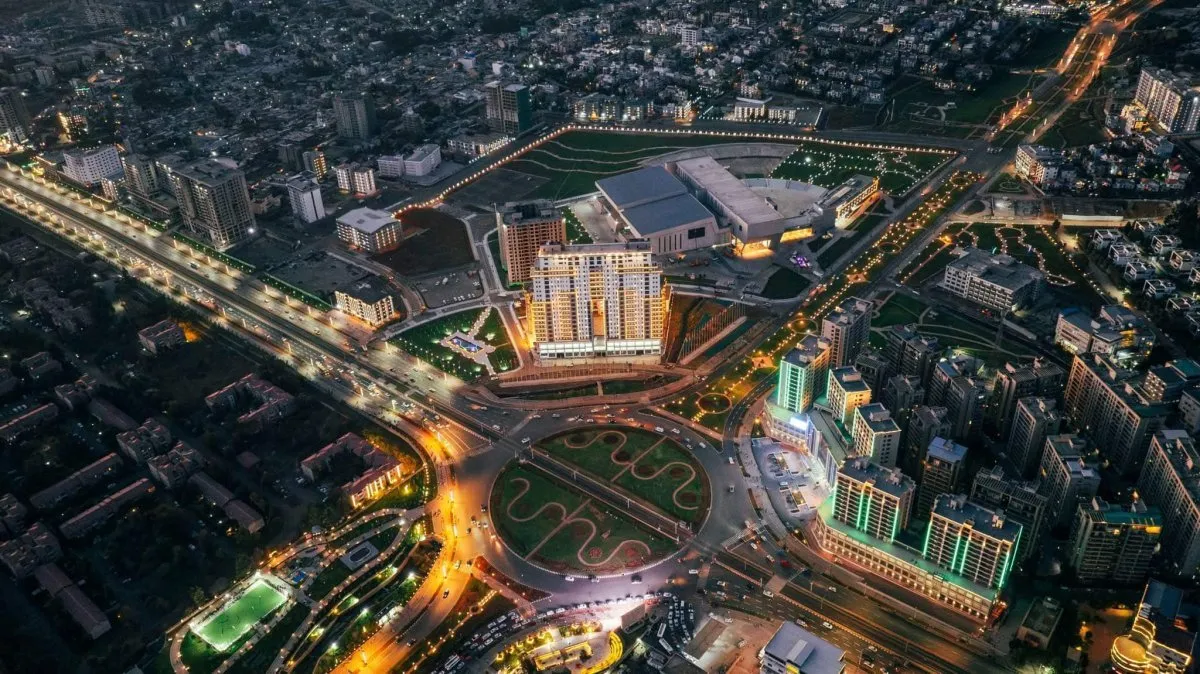
Adjacent to the road corridors, Addis Ababa has also pursued the Chaka Project in Yeka sub-city, converting forest land into artificial lakes, resort space and residential development under a 500-billion-birr contract, extending the same broad thesis, that reshaping the built environment pays off in tourism, property values and investment appeal, beyond transport infrastructure specifically.
What the Investment Is Producing
The economic case for the programme rests on familiar and generally well-supported urban-economics logic: upgraded roads and pedestrian infrastructure tend to raise commercial rents and property values along the route, reduced congestion lowers the effective cost of moving people and goods through the city, and a visibly modernised capital strengthens a government's pitch to the foreign investors it is actively courting. Estimates associated with the programme put its contribution to annual GDP growth as high as 2%, alongside roughly 50,000 jobs generated through construction activity and the commercial footfall the rebuilt corridors have attracted, from reopened retail along Piassa's restored squares to new residential and hospitality development tied to the Chaka Project.
As with virtually any urban renewal project of this scale operating in dense, long-settled neighbourhoods, delivering the corridors has required acquiring land and, in places, relocating residents and businesses, and independent analysts have noted that cost figures for individual corridor segments have varied depending on scope and location, a detail Ethiopian authorities continue to refine as the model extends to additional cities. That is a genuine implementation challenge every large infrastructure programme of this kind has to manage, alongside financing, contractor sequencing and maintenance planning, rather than a reason to discount what the programme has achieved on the ground.
The Real Lesson for East Africa's Congested Cities
For Dar es Salaam, Nairobi, Kampala, Arusha and Dodoma, each grappling with its own version of the congestion, informal growth and underinvested public space that Addis Ababa faced three years ago, the most transferable lesson is less about any single design choice and more about execution discipline: a clear corridor-based master plan, a financing structure that pairs experienced international contractors with credible multilateral backing, and a government willing to move from pilot to nationwide policy within a single administrative cycle rather than letting individual projects stall in years of planning review.
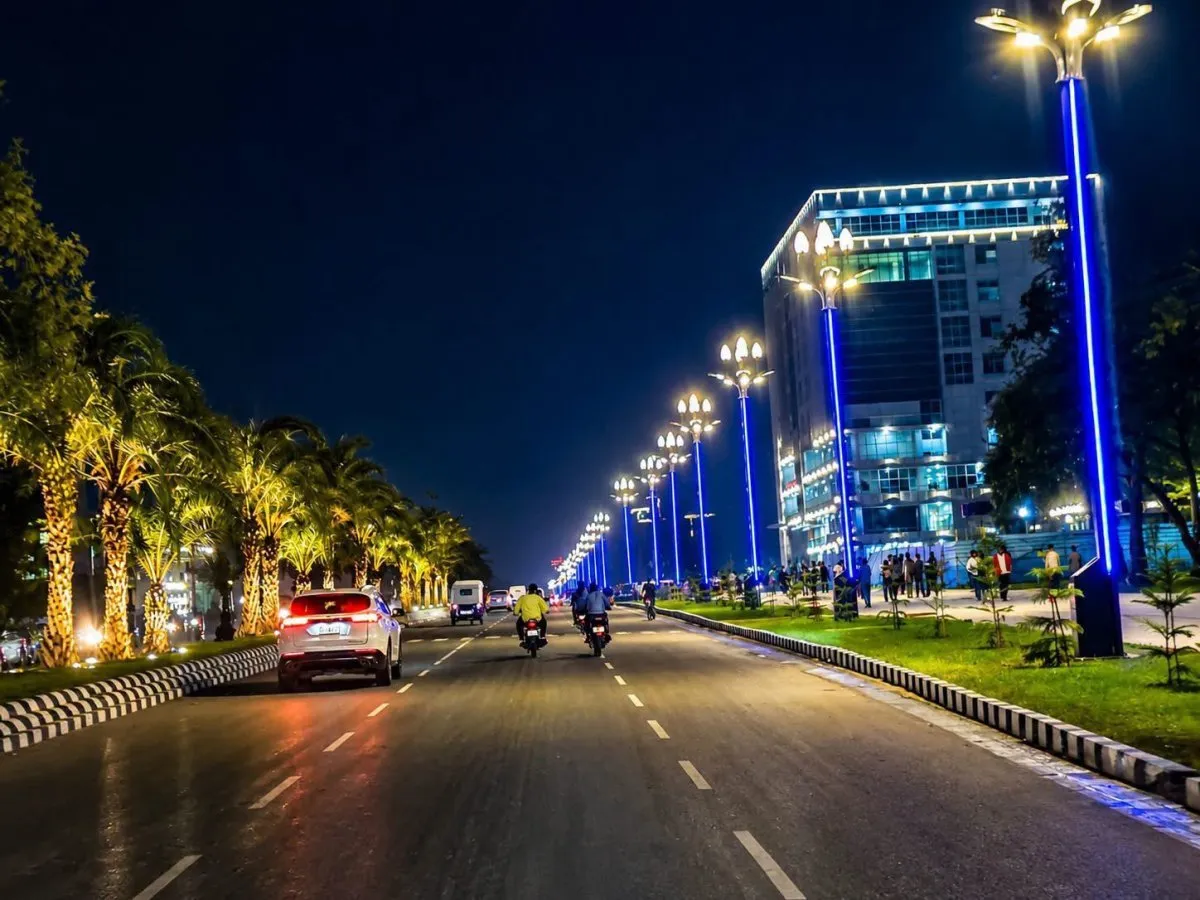
Ethiopia's own government has continued expanding the programme rather than slowing it down, evidence that Addis Ababa's leadership regards the model as a success worth replicating at national scale. For East African cities still searching for a workable answer to gridlock and ageing infrastructure, that willingness to move quickly, backed by a financing model built for scale, may be the single most useful thing to study in the Ethiopian experience.
FAQ
When did Ethiopia's Corridor Development Project begin? It launched with a groundbreaking ceremony in Addis Ababa on 29 December 2022, led by the Addis Ababa City Administration.
How far has the project expanded? Ethiopia's Minister of Urban and Infrastructure Development confirmed to parliament in January 2025 that at least 58 cities and urban centres across the country were implementing their own corridor development projects.
Who is financing and building the corridors? Major construction contracts have gone to the China Civil Engineering Construction Corporation, with continued World Bank involvement in Addis Ababa's road sector supporting the broader investment programme.
What has the project delivered in Addis Ababa specifically? Its first phase rebuilt roughly 40 kilometres of core city streetscape, including new roads, pedestrian walkways, cycle lanes, lighting, drainage and green space, most visibly in the restored Piassa district. A second, larger phase covering 131.99 kilometres across eight corridors followed within two years.
What economic impact is the project expected to have? Estimates associated with the programme put its contribution to annual GDP growth as high as 2%, with roughly 50,000 jobs generated through construction and the commercial activity the upgraded corridors have attracted.
What can other East African cities learn from this model? Primarily, execution speed and financing structure: a clear corridor-based master plan paired with experienced international contractors and multilateral financing support has let Ethiopia move from a single-city pilot to a 58-city national programme within about three years, a pace that offers a useful reference point for cities like Dar es Salaam, Nairobi and Kampala still working through slower urban renewal processes.
 Uchumi360
Business Intelligence
Uchumi360
Business Intelligence
Uchumi360 covers business, investment, and economic policy across East, Central, and Southern Africa.
For the serious reader
You read to the end. That places you in a small group.
Uchumi360 is built for readers who demand precision over speed, structure over sentiment, and analysis that holds uncomfortable conclusions rather than softening them. If this work sharpens how you think about Africa's economy, help us keep building the infrastructure behind it.
Institutional Partners
Commission intelligence. Shape the conversation.
Uchumi360 works with development finance institutions, investment firms, sovereign bodies, and strategic organisations across the coverage region. Institutional partnership unlocks:
- Commissioned sector and country intelligence reports
- Branded research series under your institution's authority
- Exclusive data briefings for internal strategy teams
- Speaking and editorial presence at Uchumi360 events
- Co-published investment outlooks for your markets
Support Our Work
Independent analysis has a cost. Help us bear it.
Uchumi360 does not carry advertising. It does not take editorial direction from sponsors. Every article is produced without commercial compromise. Your contribution funds the reporting, research, and editorial infrastructure that keeps this analysis free from influence.
Secure checkout: One-time and monthly support are processed securely. Add payment credentials to enable checkout here.
Stay Connected
Keep up with every new insight.
Follow our latest analysis, policy coverage, and market intelligence as soon as it is published. If you need something specific, reach out directly and we will point you to the right research.
