
Understanding the Producer Price Index (PPI) and What It Means for the Economy
Ready
The Producer Price Index (PPI) is one of the most important economic tools for understanding early-stage price movements. It offers policymakers, businesses, and investors insight into inflationary pressures before they affect household spending.
Price pressures in the economy begin at the production stage, not at the consumer level, and the Producer Price Index (PPI) helps reveal these early movements. Inflation is often discussed from the consumer’s point of view, focusing on food prices, fuel costs, rent, and transport fares. Yet price pressures usually begin long before goods reach the market. They start at the production level, within factories, farms, mines, and service providers. The Producer Price Index (PPI) is one of the most important economic tools for understanding these early-stage price movements. It offers policymakers, businesses, and investors insight into inflationary pressures before they affect household spending.
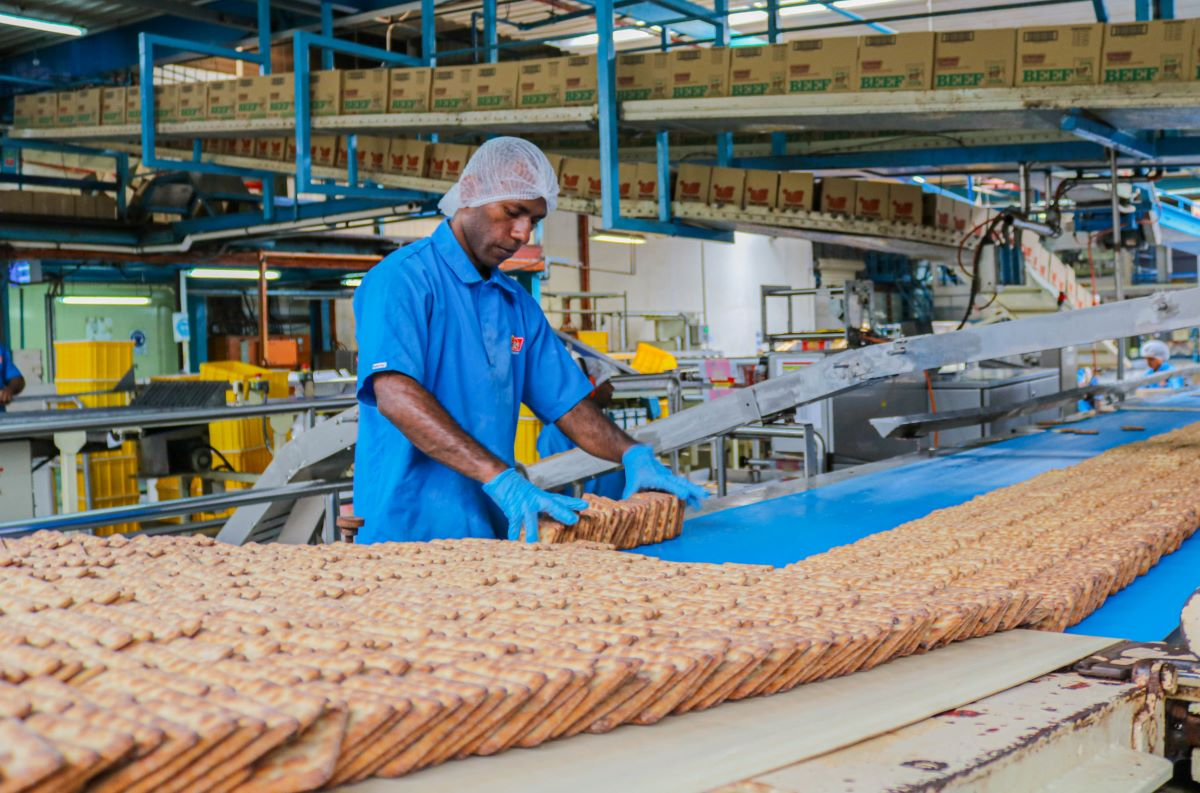
The Producer Price Index measures changes in prices received by producers before goods reach consumers.
The Producer Price Index measures the average change over time in prices received by domestic producers for their goods and services. These prices are recorded at the point of production, before taxes, transportation costs, and retail markups are added. Unlike the Consumer Price Index, which reflects what consumers pay, PPI focuses on what producers earn. It answers a critical economic question: how much are businesses charging for what they produce, and how are those prices changing over time?
PPI tracks price changes across different stages of production and key sectors of the economy.
PPI is calculated using price data collected from producers across major sectors of the economy, including manufacturing, mining, agriculture, energy, construction, and selected services. The data is structured to capture price changes at different stages of production, from raw materials to intermediate goods and finally finished products. This structure allows economists to trace how rising costs in inputs eventually pass through the supply chain and influence final prices.
PPI acts as an early warning signal for future consumer inflation.
When producers face higher costs such as fuel, electricity, imported raw materials, or logistics, they often attempt to pass these costs on to wholesalers and retailers. Over time, these increases reach consumers. A sustained rise in PPI therefore often signals future increases in consumer prices, making it a leading indicator of inflationary trends.
Changes in PPI reflect cost pressures that directly affect business profitability and investment.
Rising producer prices may indicate exchange rate depreciation, higher import costs, increased energy prices, or growing regulatory and labor expenses. When these pressures persist, businesses may experience shrinking profit margins, reduced investment, and slower employment growth. Conversely, stable producer prices can support profitability, encourage expansion, and strengthen business confidence.
Central banks use PPI to anticipate inflation risks and guide monetary policy decisions.
A persistent rise in producer prices may prompt policymakers to tighten monetary conditions to prevent inflation from spreading throughout the economy. Stable or declining PPI, on the other hand, provides room for accommodative policies that support growth and credit expansion. In this way, PPI helps policymakers act pre-emptively rather than reactively.
Understanding the relationship between PPI and CPI helps explain where inflation pressure originates.
While PPI tracks price changes at the production level, CPI measures the cost of living for households. When both indicators rise together, inflation is broadly based. When PPI rises faster than CPI, it may suggest that businesses are absorbing higher costs rather than passing them fully to consumers, which can affect profitability and investment.
PPI is particularly important for Tanzania’s industrial, mining, agricultural, and energy sectors.
Rising producer prices in these sectors may reflect higher fuel and electricity costs, increased import prices, exchange rate pressures, or supply chain disruptions. If sustained, these pressures can reduce industrial competitiveness, slow industrialization efforts, and increase consumer inflation. However, moderate growth in PPI can also signal expanding production and healthy demand within the economy.
PPI provides valuable guidance for policymakers, businesses, investors, and consumers.
Governments can use PPI trends to design policies that reduce production costs and support local industries. Businesses can rely on PPI data to inform pricing strategies and investment planning. Investors can assess sectoral risks and opportunities, while consumers gain a clearer understanding of why prices rise before they appear in markets.
The Producer Price Index is a strategic indicator for understanding inflation, industrial health, and economic stability.
Far more than a technical statistic, PPI reveals underlying cost pressures, future inflation risks, and the direction of economic activity. In an economy striving for industrial growth and price stability, understanding PPI is essential for informed decision-making and sustainable economic development.
 Uchumi360
Business Intelligence
Uchumi360
Business Intelligence
Uchumi360 covers business, investment, and economic policy across East, Central, and Southern Africa.
For the serious reader
You read to the end. That places you in a small group.
Uchumi360 is built for readers who demand precision over speed, structure over sentiment, and analysis that holds uncomfortable conclusions rather than softening them. If this work sharpens how you think about Africa's economy, help us keep building the infrastructure behind it.
Institutional Partners
Commission intelligence. Shape the conversation.
Uchumi360 works with development finance institutions, investment firms, sovereign bodies, and strategic organisations across the coverage region. Institutional partnership unlocks:
- Commissioned sector and country intelligence reports
- Branded research series under your institution's authority
- Exclusive data briefings for internal strategy teams
- Speaking and editorial presence at Uchumi360 events
- Co-published investment outlooks for your markets
Support Our Work
Independent analysis has a cost. Help us bear it.
Uchumi360 does not carry advertising. It does not take editorial direction from sponsors. Every article is produced without commercial compromise. Your contribution funds the reporting, research, and editorial infrastructure that keeps this analysis free from influence.
Secure checkout: One-time and monthly support are processed securely.
Stay Connected
Keep up with every new insight.
Follow our latest analysis, policy coverage, and market intelligence as soon as it is published. If you need something specific, reach out directly and we will point you to the right research.
