Author: Emanuel Nyangwe
Why Mortgage Uptake Remains Low in Tanzania’s Growing Cities
By combining innovative financial instruments, digital solutions, institutional funding, and supportive policy frameworks, Tanzania can unlock formal housing markets, increase homeownership, and reduce informal settlements.
Digital Mapping and Infrastructure Transparency: A New Tool Against Cost Overruns
Emerging digital mapping technologies, including Geographic Information Systems (GIS), drones, satellite imagery, and 3D modelling, offer a transformative opportunity. By providing real-time project monitoring, precise planning, and spatial analytics, these tools enable government agencies, contractors, and citizens to track progress, detect irregularities, and make informed decisions. In doing so, they can reduce corruption, improve efficiency, and ensure that infrastructure delivers maximum economic and social value.
Why Tanzania Needs a National Logistics Strategy to Unlock Economic Growth
Tanzania has long been recognized as a regional trade hub in East Africa, with strategic access to the Indian Ocean, multiple landlocked neighbors, and a growing domestic market.
Seed Quality Crisis: The Silent Factor Holding Back Tanzania’s Farm Productivity
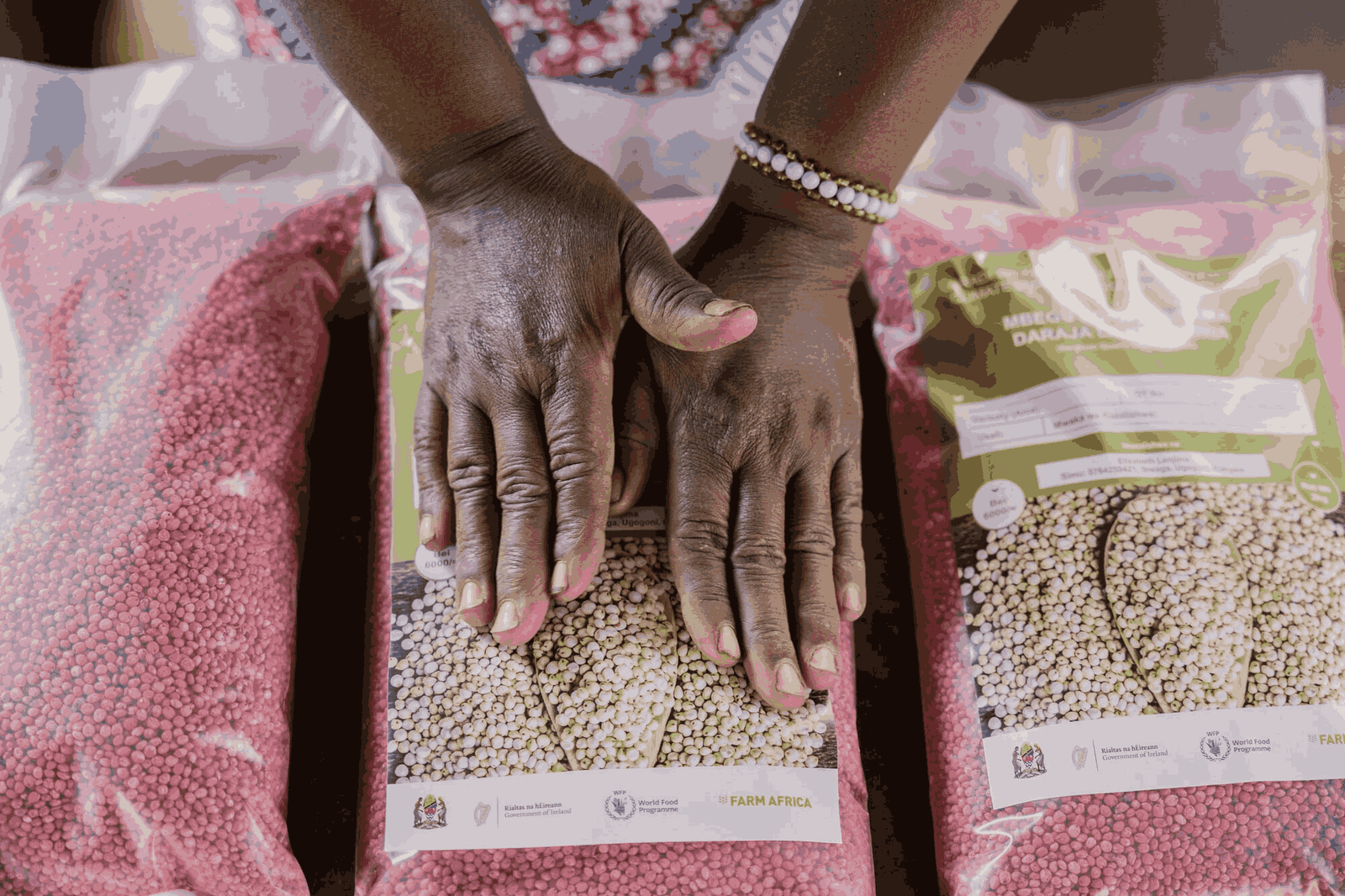
Despite this, a large share of Tanzanian farmers continue to rely on recycled farm-saved seeds or counterfeit seeds purchased from informal markets. These practices silently suppress yields, increase vulnerability to pests and diseases, and undermine national food security.
Cutting Tanzania’s Post-Harvest Losses: How Technology Can Save Billions
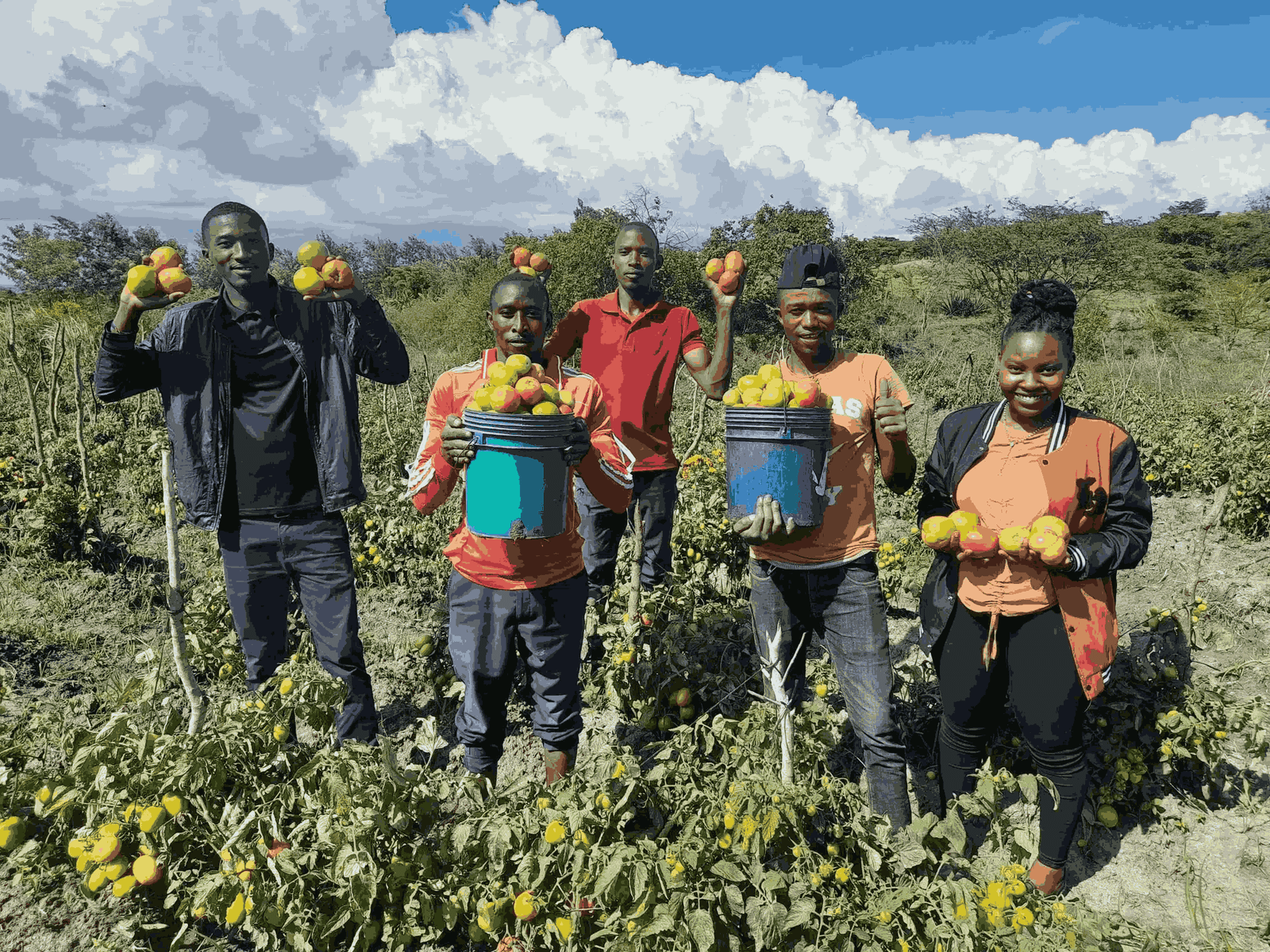
At a time when Tanzania is investing heavily in agricultural productivity, irrigation, and input subsidies, failing to address post-harvest losses undermines these efforts. Every bag of maize spoiled by moisture, every crate of tomatoes rotting before reaching market, and every fish lost due to lack of refrigeration represents lost value, lost income, and lost food security.
Youth Agripreneurship in Tanzania: Unlocking Opportunity Beyond Subsistence Farming
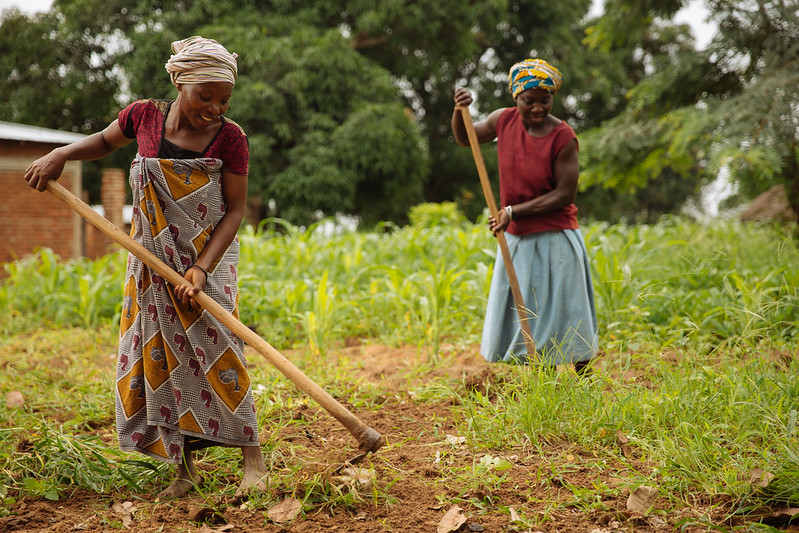
For many young people, agriculture is still associated with subsistence farming, low incomes, physical hardship, and limited social status. As a result, rural-to-urban migration continues to rise, placing pressure on cities while leaving vast agricultural potential underutilized.
Agricultural Insurance in Rural Tanzania: Why Adoption Remains Low Despite Rising Climate Risks
Most rural farmers continue to rely on informal coping mechanisms such as borrowing from relatives, selling livestock, reducing consumption, or abandoning farming altogether after severe climate shocks.
Is Tanzania Ready for Large-Scale Organic Farming? Opportunities, Gaps, and the Road Ahead
Valued at over USD 135 billion today and projected to exceed USD 200 billion by 2030, organic food demand is being driven by rising health awareness, climate change concerns, stricter food safety regulations, and growing demand for traceable and ethically produced food. Europe, the Middle East, North America, and parts of Asia are actively increasing imports of certified organic products to meet consumer demand.
Beverage Sector in Tanzania: Growth Trends and Regulatory Landscape
With the right investments and regulatory balance, Tanzania’s beverage sector can become a major driver of manufacturing growth, job creation, and regional trade competitiveness.
Informal Cross-Border Trade: Hidden Economic Value
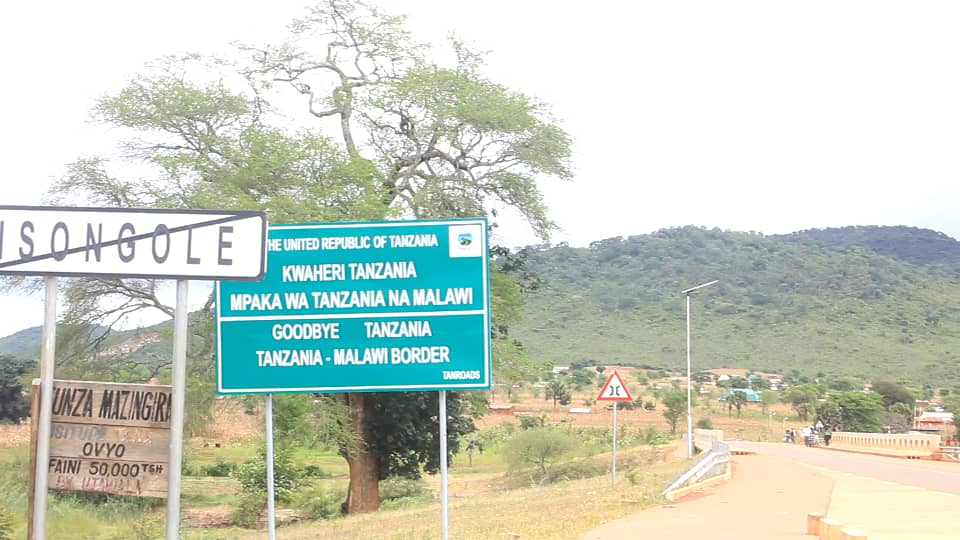
By adopting more inclusive border policies, investing in infrastructure, and supporting women traders, Tanzania can formalize and scale the sector without hurting the vulnerable people who depend on it.
The Future of Steel Manufacturing in Tanzania
Domestic steel producers must align capacity expansion with national infrastructure timelines to ensure supply security and price stability.